Collecting

What is it?

One of my very favorite things to collect is antique or vintage primitives. I absolutely cannot pass these up. A primitive can be any kitchen or household gadget or a tool, generally older, sometimes handmade, and always a treasure!

I go to a lot of country/farm auctions and estate sales. One common activity is for buyers to try and decide what an item was used for. Sometimes, we never determine the actual use of a primitive.

Early 20th Century primitives show a lot of thought and creativity. They can be very clever and they were often created to solve a problem. Read on and guess what these wonderful creations were used for!
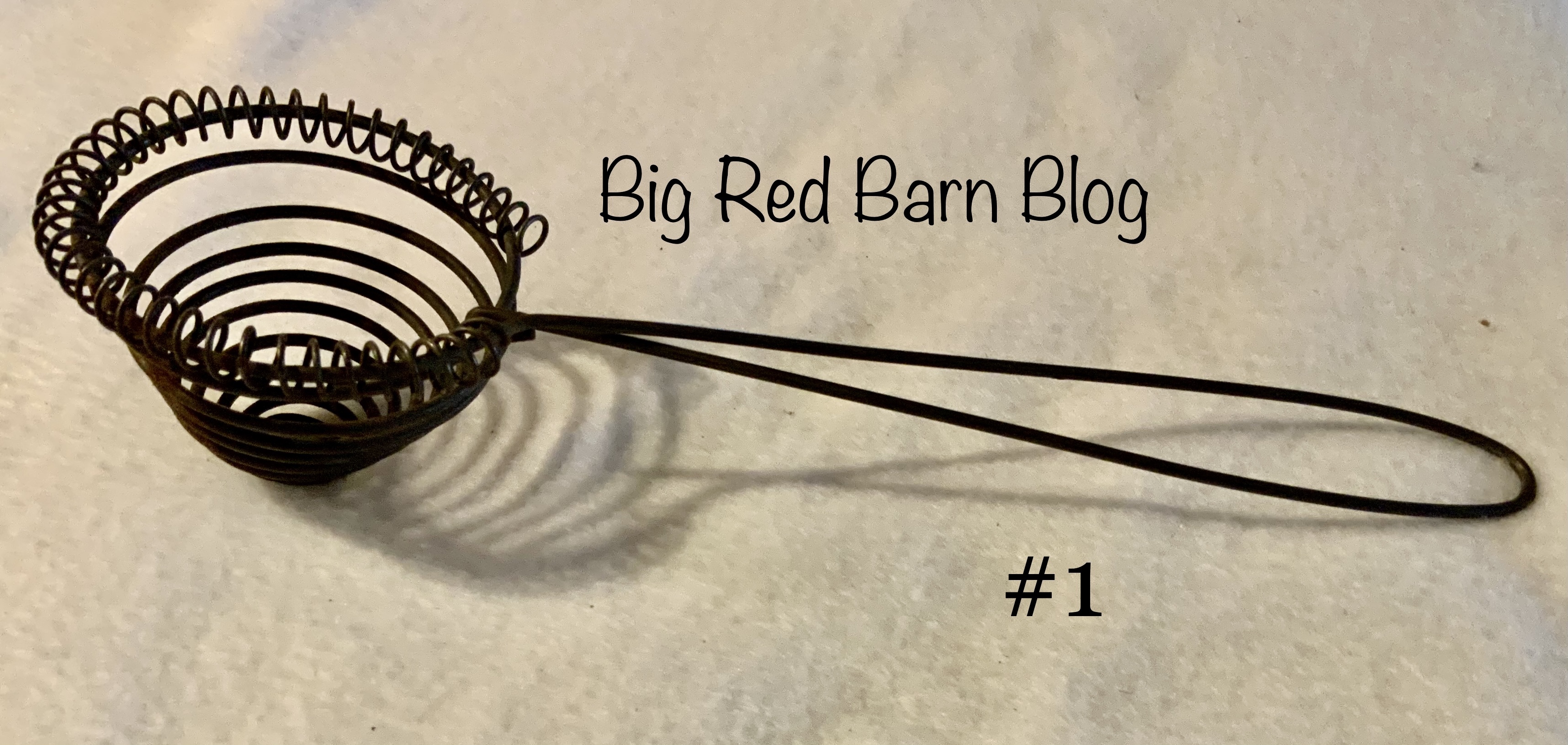
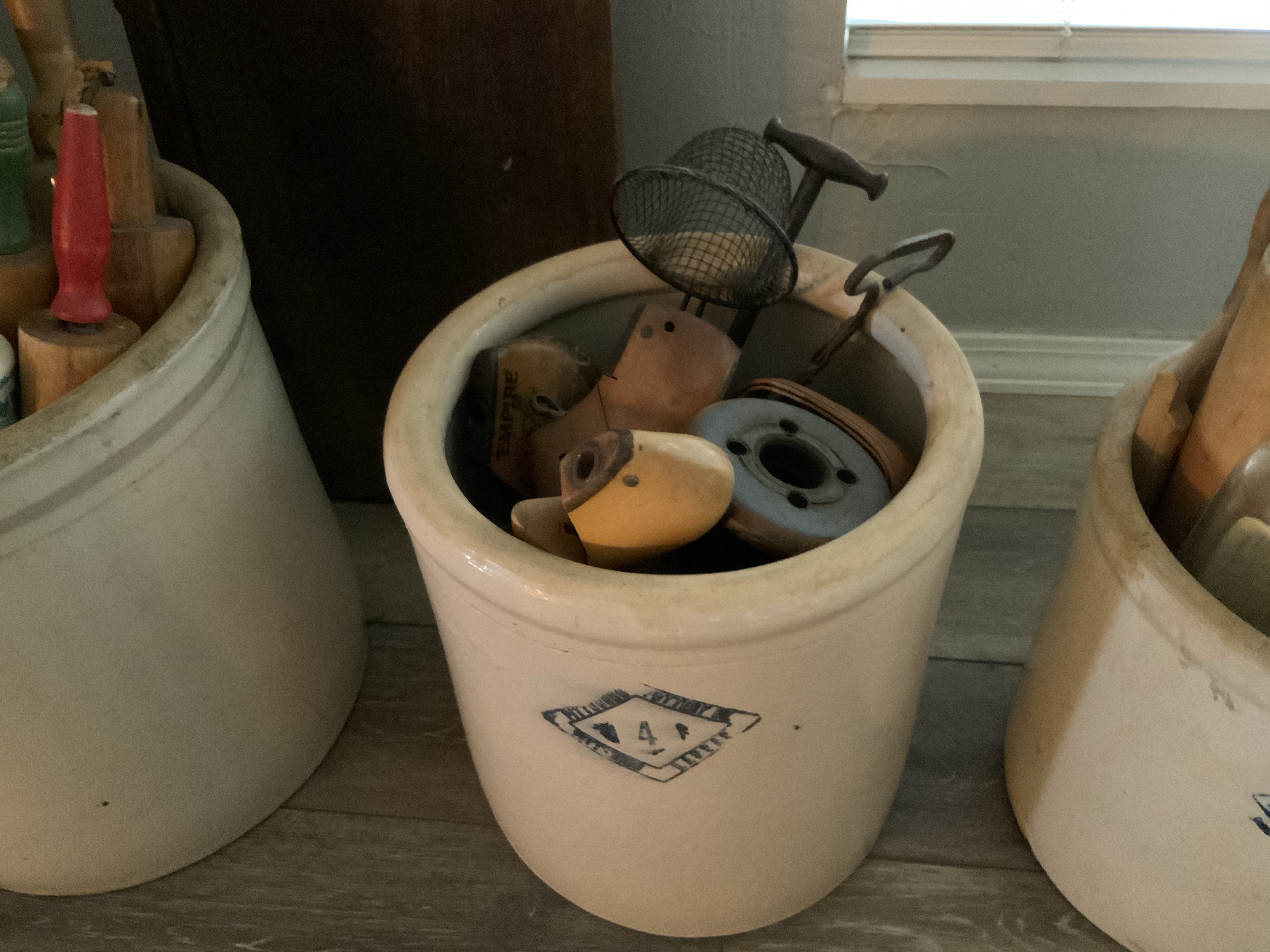
This handmade primitive is most likely from the early 1900s. It was probably used as either a whip or scoop, to dip eggs out of boiling water.
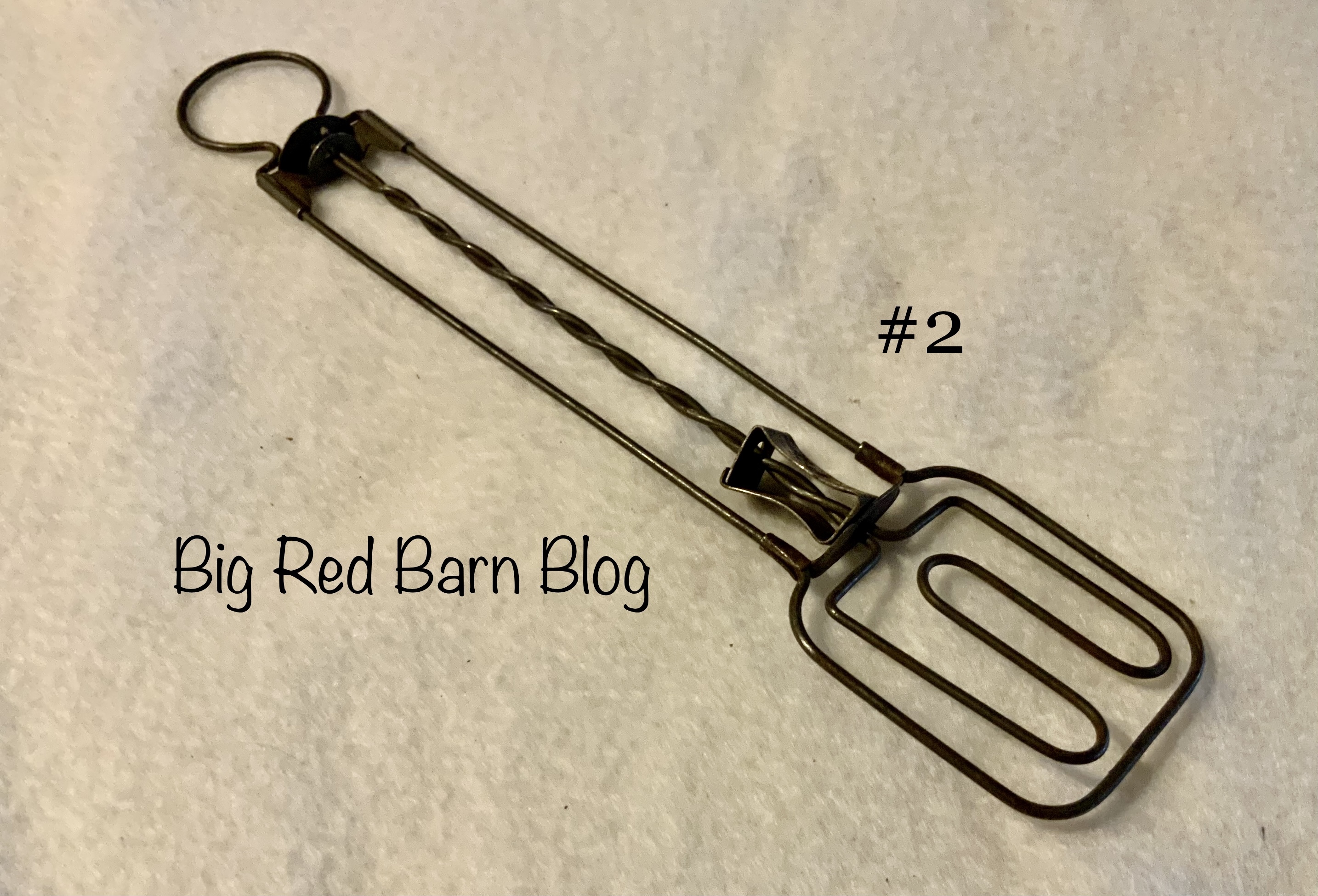
Another handmade primitive. Probably early 1900s. This is a mixer/stirrer. The top is used to creat a twisting motion, to intensify mixing.
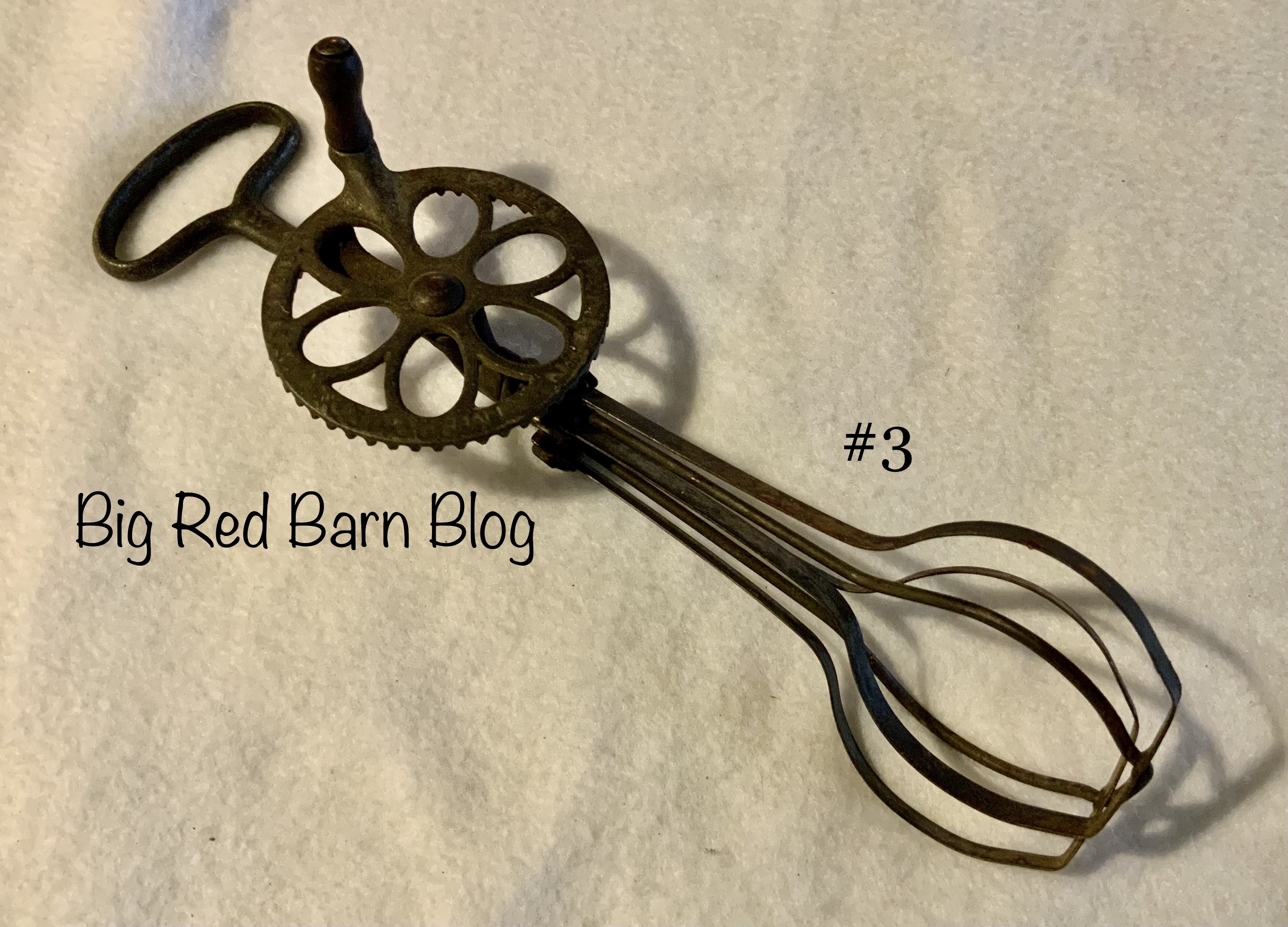
A handmade primitive hand mixer. Probably a little later in the Century than our other primitives. This one is a bit more industrial and made of cast metal. It’s a little less rudimentary and easier to identify!

A VERY primitive opener with lots of options. Again, probably turn of the century, with a cork screw, can opener, bottle opener, and more!
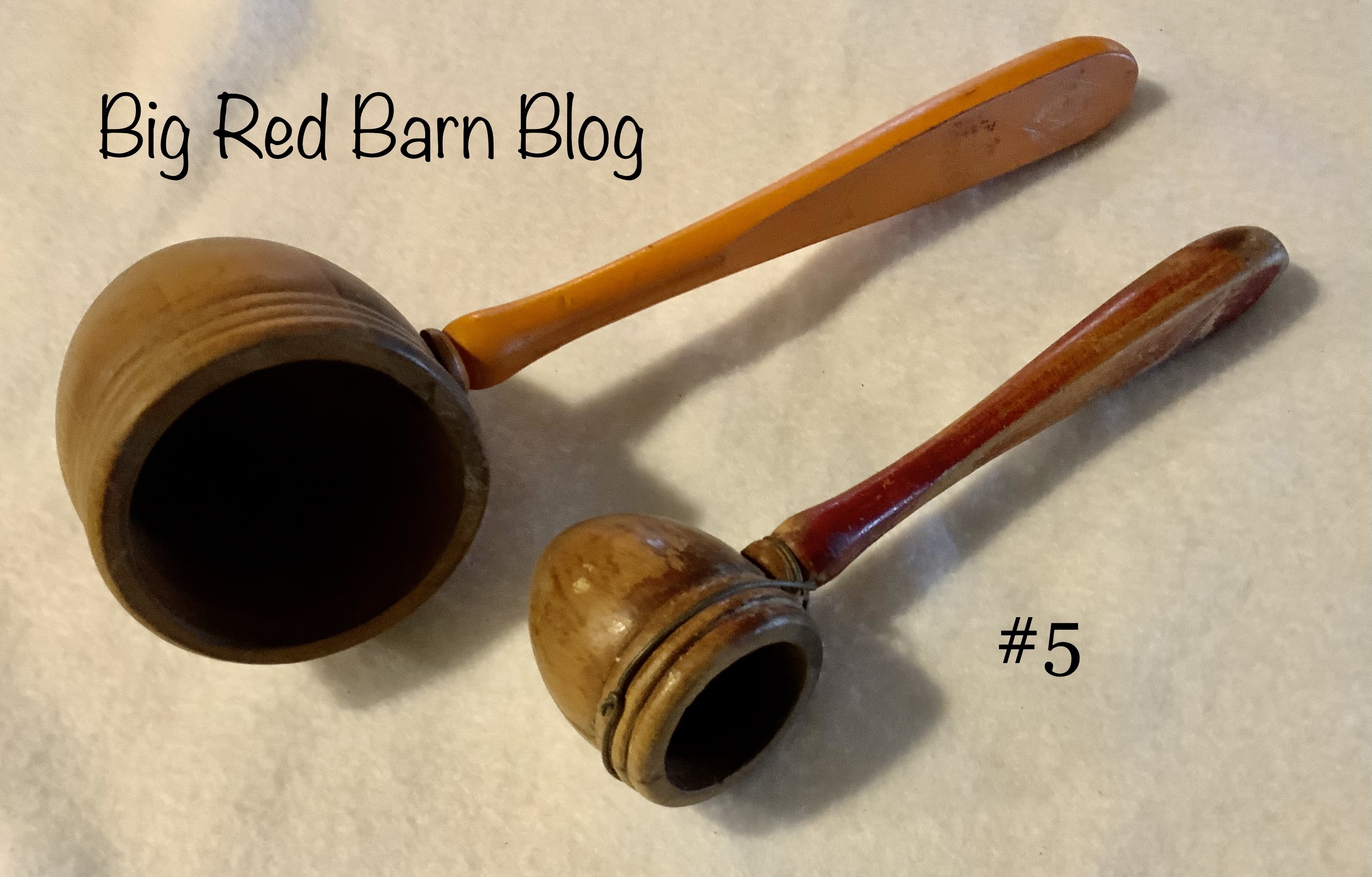
A pair of seed scoops from the early 20th Century. These would have been used at a country store to measure seeds for customers.

Hope you enjoyed looking at some of my favorite primitives. Next time you’re browsing at a farm sale or antique mall, try to find some primitives and guess what they were used for. It’s a lot of fun!

Jackie

Collecting, Cooking

Cast Iron Cooking

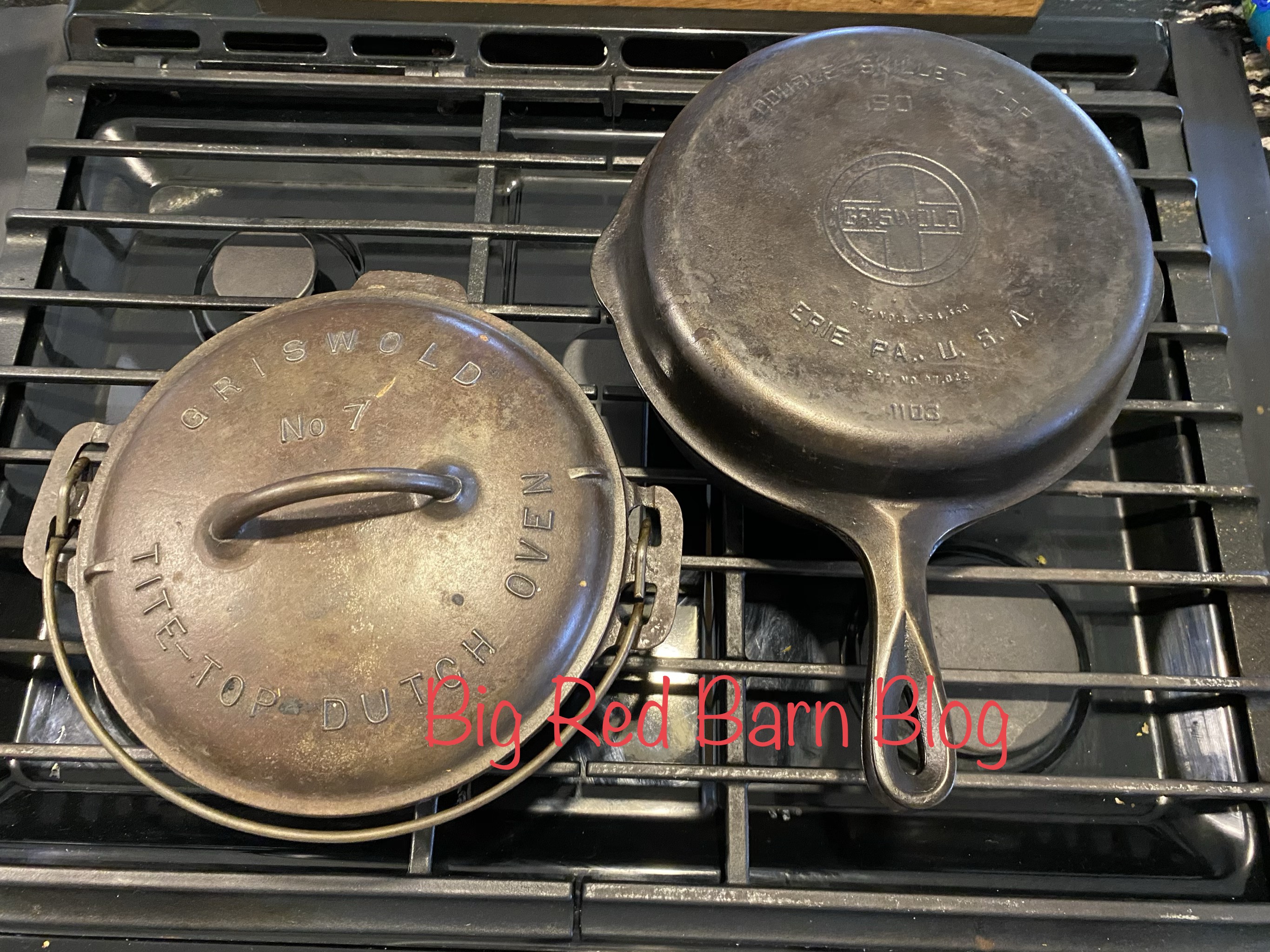
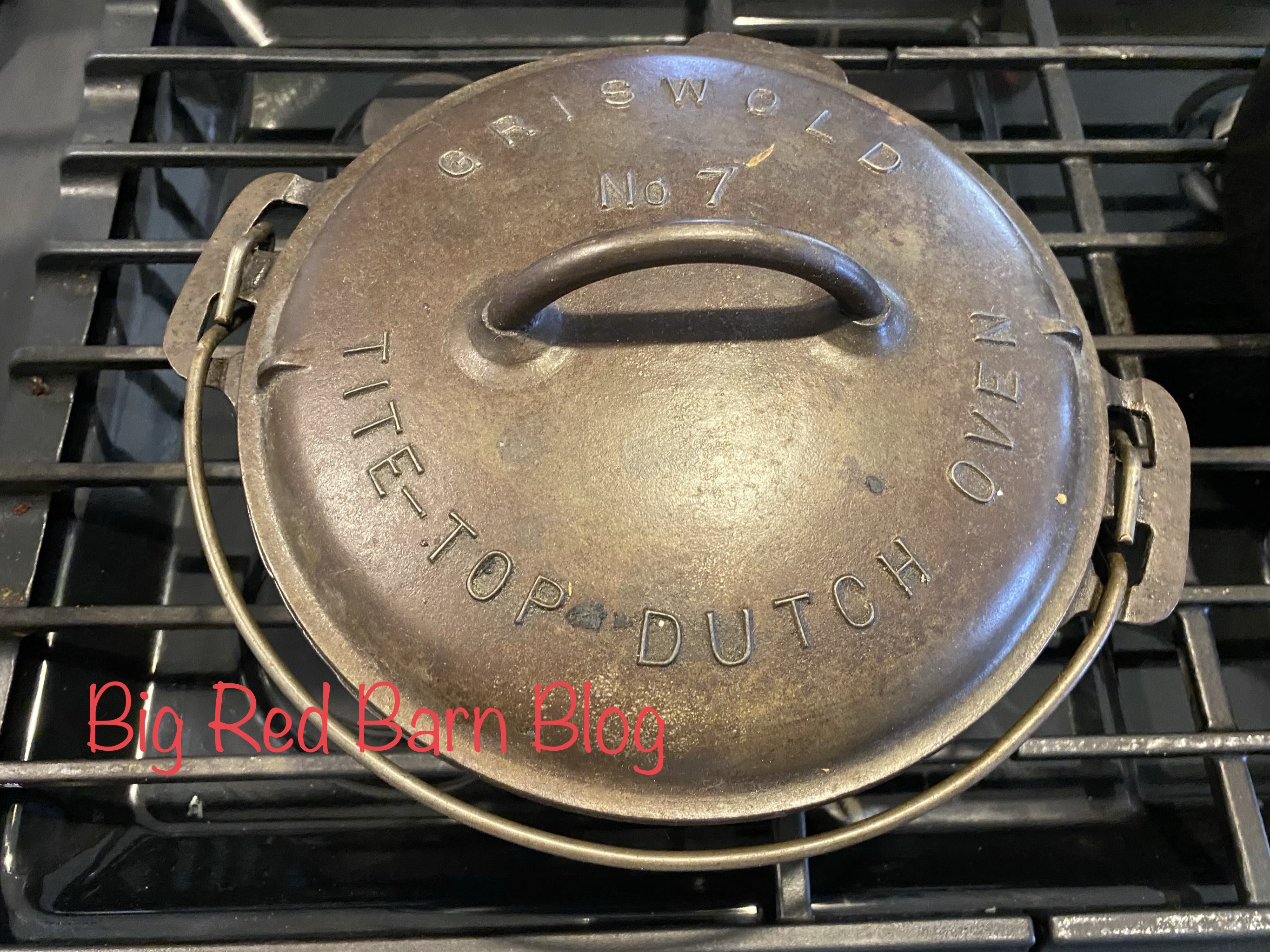
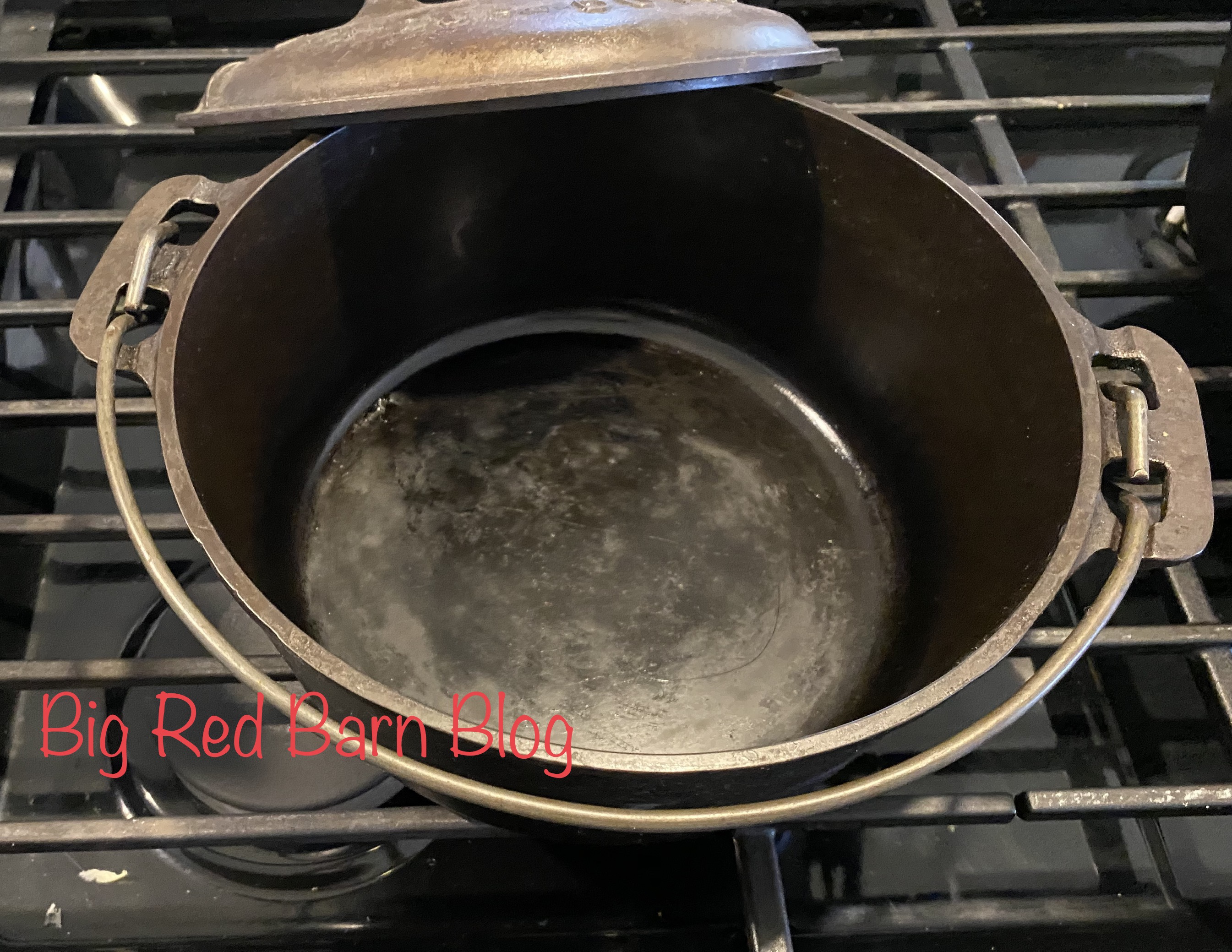
There’s nothing like cooking with a piece of vintage/antique cast iron. I use my Griswold cast iron skillet several times a week. It has a lid that you can use as an additional skillet, or as a cover if you need to finish cooking an item in the stove or on the range. I also have a small Griswold Dutch oven that I use for beans, stews, and soups. You cannot beat the taste of anything cooked in cast iron. These were probably made in the 1930s or 1940s.

My husband and I buy, sell, and keep a lot of cast iron. It is a primitive collectible that has maintained it’s value and actually continues to grow in popularity and price. I cannot keep enough in stock at my booth in the Stillwater Antique Mall.

The two biggest manufacturers of cast iron cookware during the late 19th and 20th century were either Griswold or Wagner Ware. Both made great cast iron skillets, Dutch ovens, griddles, roasters, corn pans, scotch bowls, monk pans, bread pans, sauce pans, and more!! Take some time to look up these pieces of cast iron to see how they were used. I prefer Griswold, because I think it has a slight edge in the casting process.

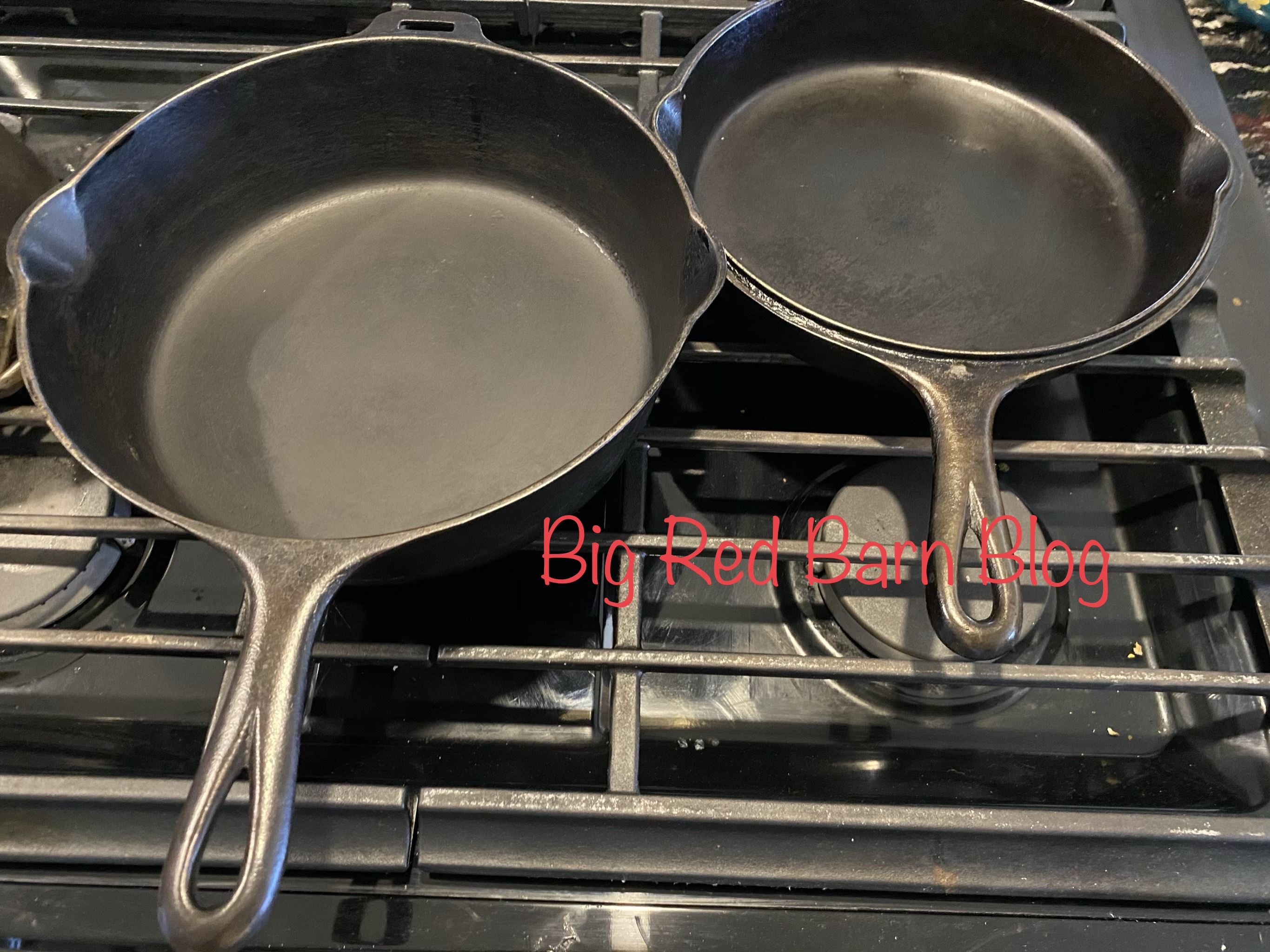
I am often asked how you can tell old/antique cast iron from newer pieces. Honestly, you can just tell by looking at it and feeling it. The casting in old pieces is very smooth and not pitted. Look at how smooth the inside of the skillet(s) are below. Also, the exterior of the cast iron pieces provide a lot of information. The numbers, logo, and descriptions provide a lot of great information. You can look on Google or in reference books to find more about your piece.

There were also several lesser know cast iron manufacturers who made equally impressive pieces of cast iron. Favorite, Martin Stove Company, and Crescent come to mind. In my opinion, their pieces are just as well made as the “big two” and are priced similarly.

I make fajita meat, blackened chicken, fish, steaks, pork chops, and pretty much everything in my cast iron skillet. I love that you can cook something on top of the stove, then just place it into the oven to continue the cooking process.

A cast iron skillet must be well seasoned and cleaned. My husband is an expert in cast iron cleaning/seasoning. He takes the grittiest, dirtiest, piece of cast iron and it comes out as smooth and clean as the day it was made.

See if you can find an older piece of cast iron to use and try some of your favorite recipes. I think you’ll be pleasantly surprised with the outcome!

Jackie

Collecting

Christmas & SANTA Collectibles

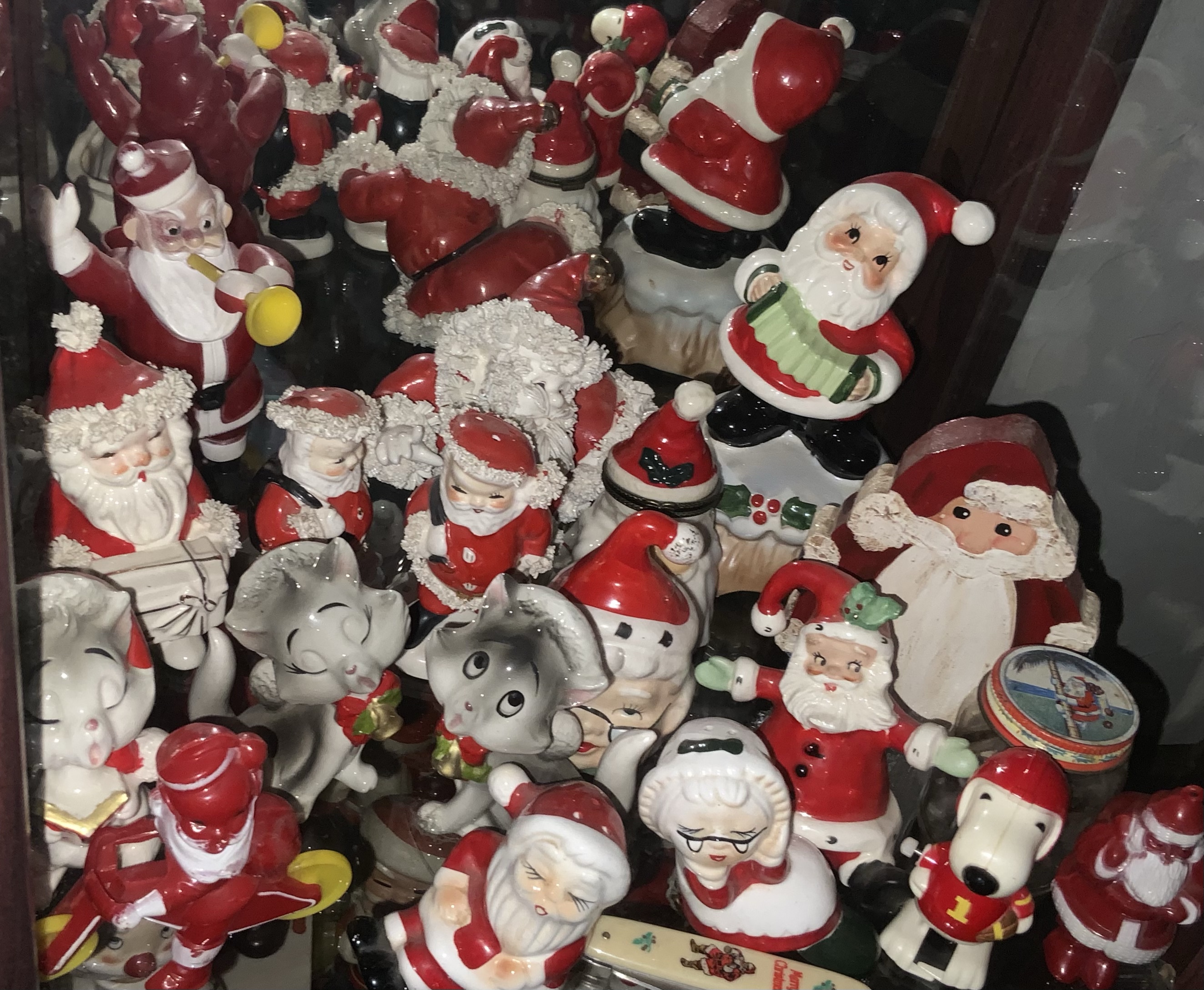
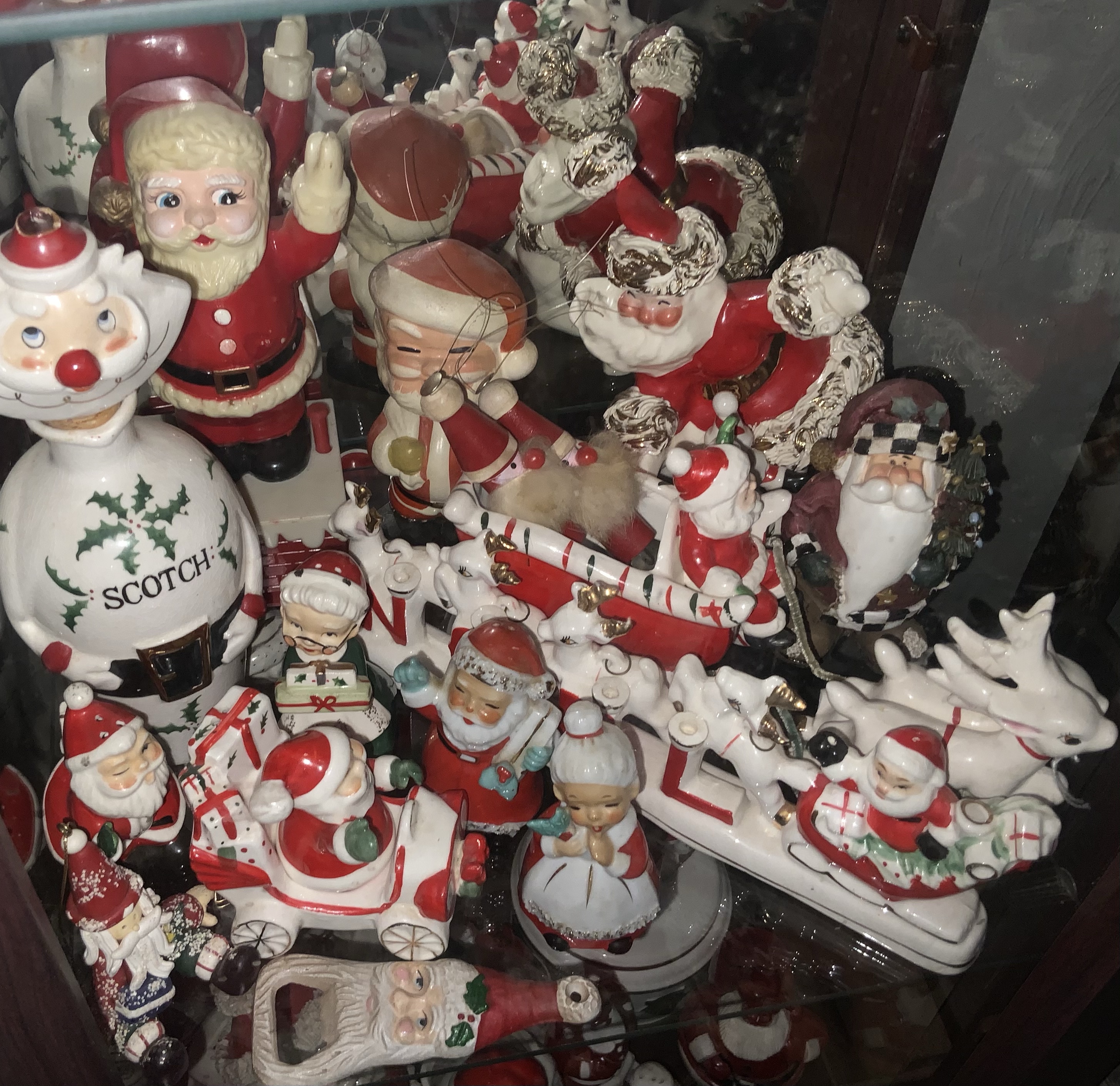
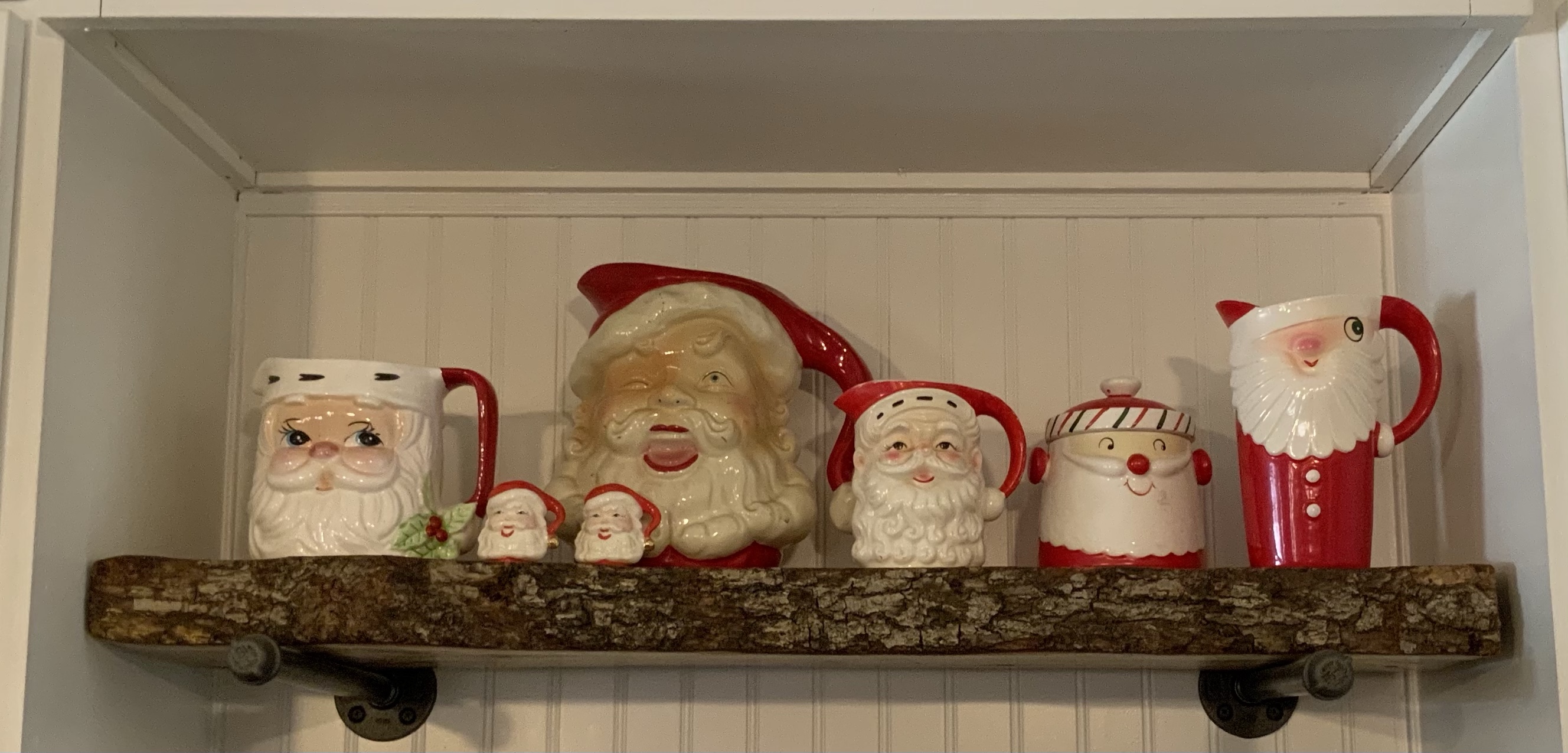
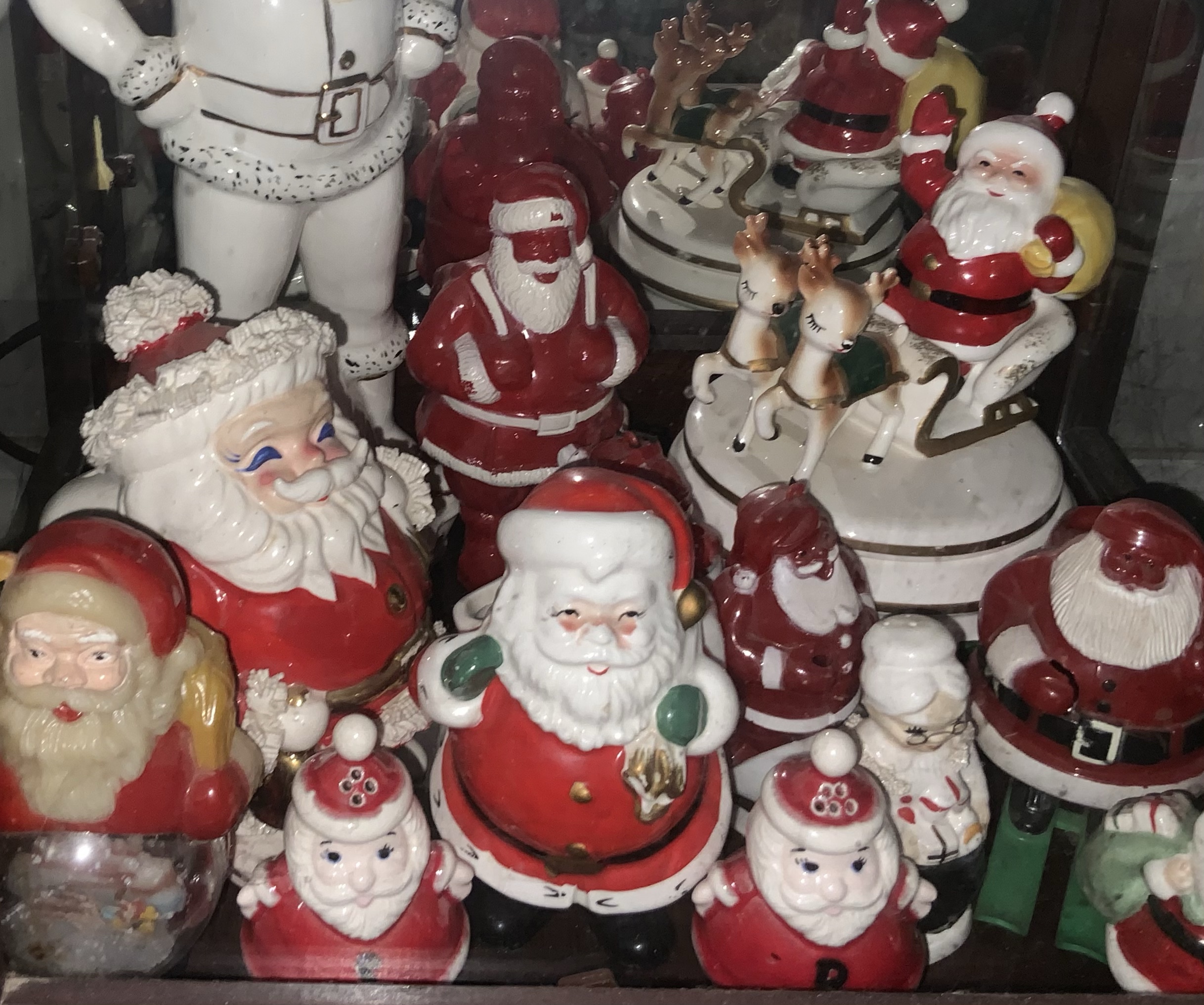
Vintage Christmas decorations are always popular. And Santa is no exception. One of my first collections was Santa, and it always makes me smile. Vintage or new, they all have a a home with me.

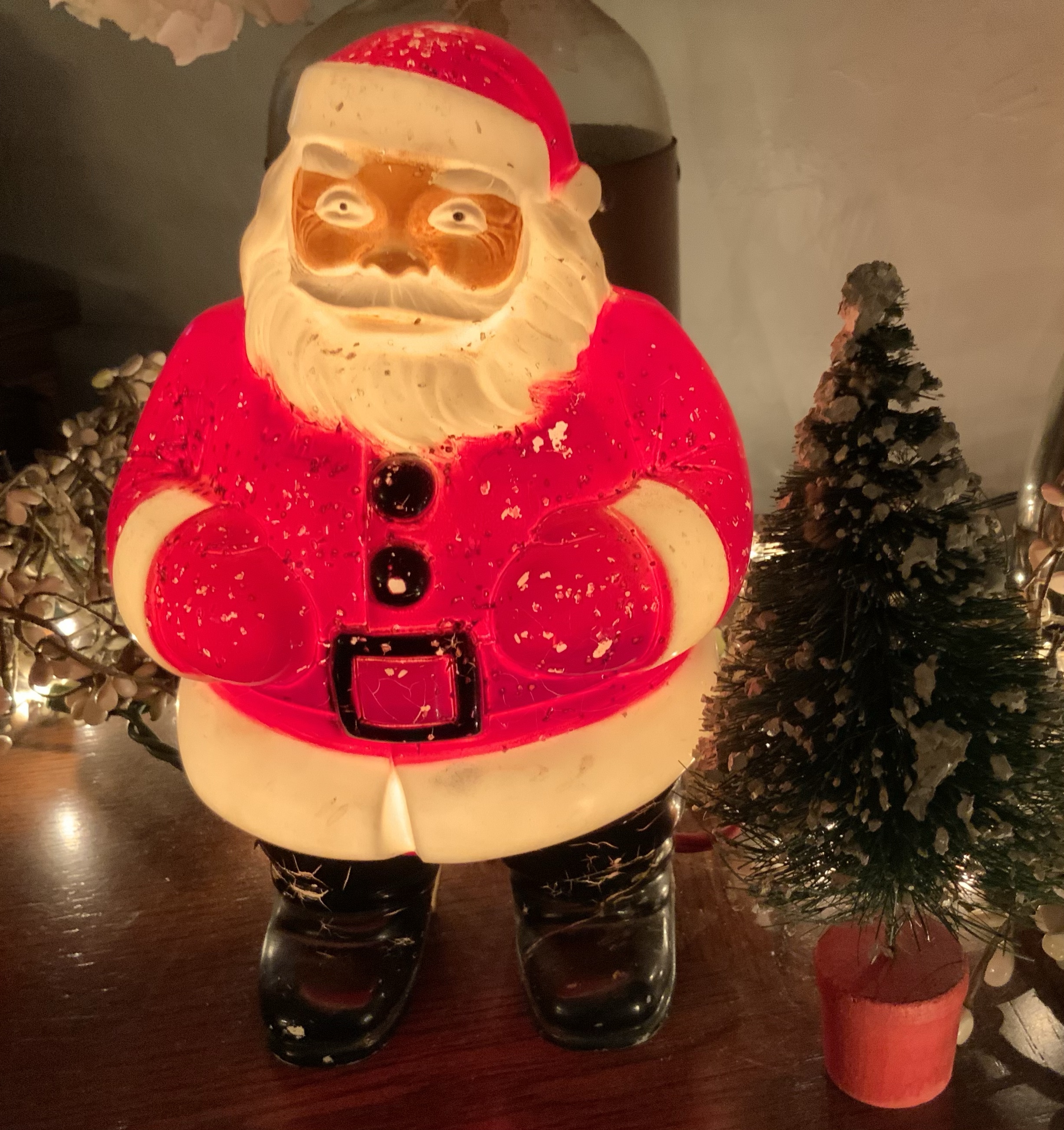
The lighted Santa is a family treasure. My husband can remember him from Christmas as a child. He is celluloid and probably dates from the late 1940s. The celluloid Santas (plastic) are extremely popular and certain ones are hard to find. They can become brittle and fragile over time (due to temperature extremes) and some of the more intricate pieces (skis, packs) can break off. Some people just collect celluloid Santas, and they were extremely popular during the 1940s and 1950s.

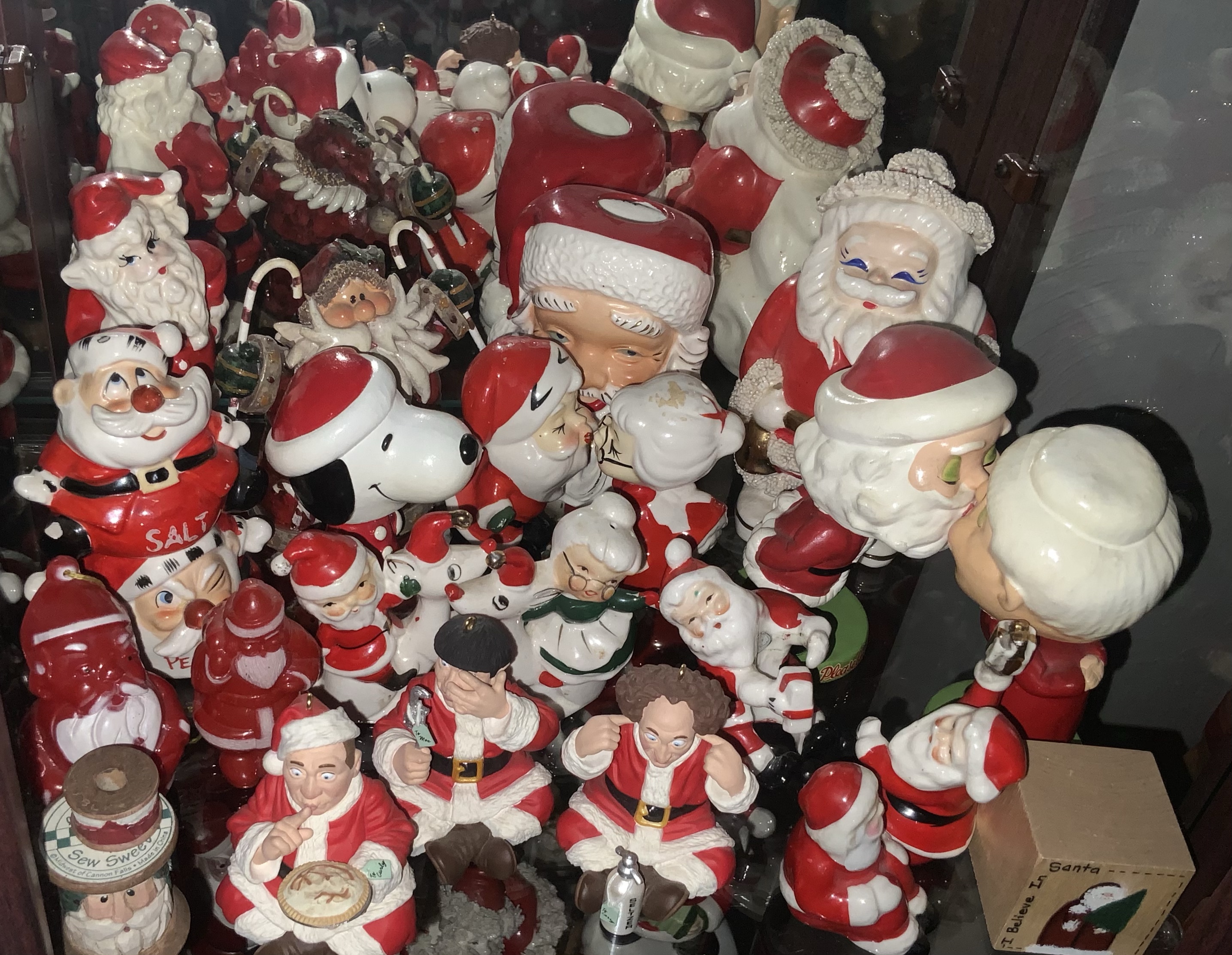
Snoopy and the kissing Clauses are nodders. Nodders are really hard to find, because they’re generally very fragile and usually ended up broken. Their heads are made very thin so they’re able to nod. Kissing Clauses were also popular during the 1960s. They have tiny magnets in their mouths, to help with the attraction!

The Scotch bottle Santa was found at an auction and I’ve never seen another like it. I’ve seen other liquor decanter Santas, but they are also hard to find.

Most of the figurines and salt & pepper sets I have are from the 1950s and 1960s. The spaghetti fringe on some Santa hats and cuffs, was produced during the 1960s. Salt & pepper Santas are abundant. You can easily start your collection with S&P. But, be careful, the collecting bug will bite!

Collecting

Collecting 101

Everyone thinks collecting is expensive. Not so! I’m a collector and it’s the foundation of the Big Red Barn. Some of my favorite collections are primitives and rustic decor.

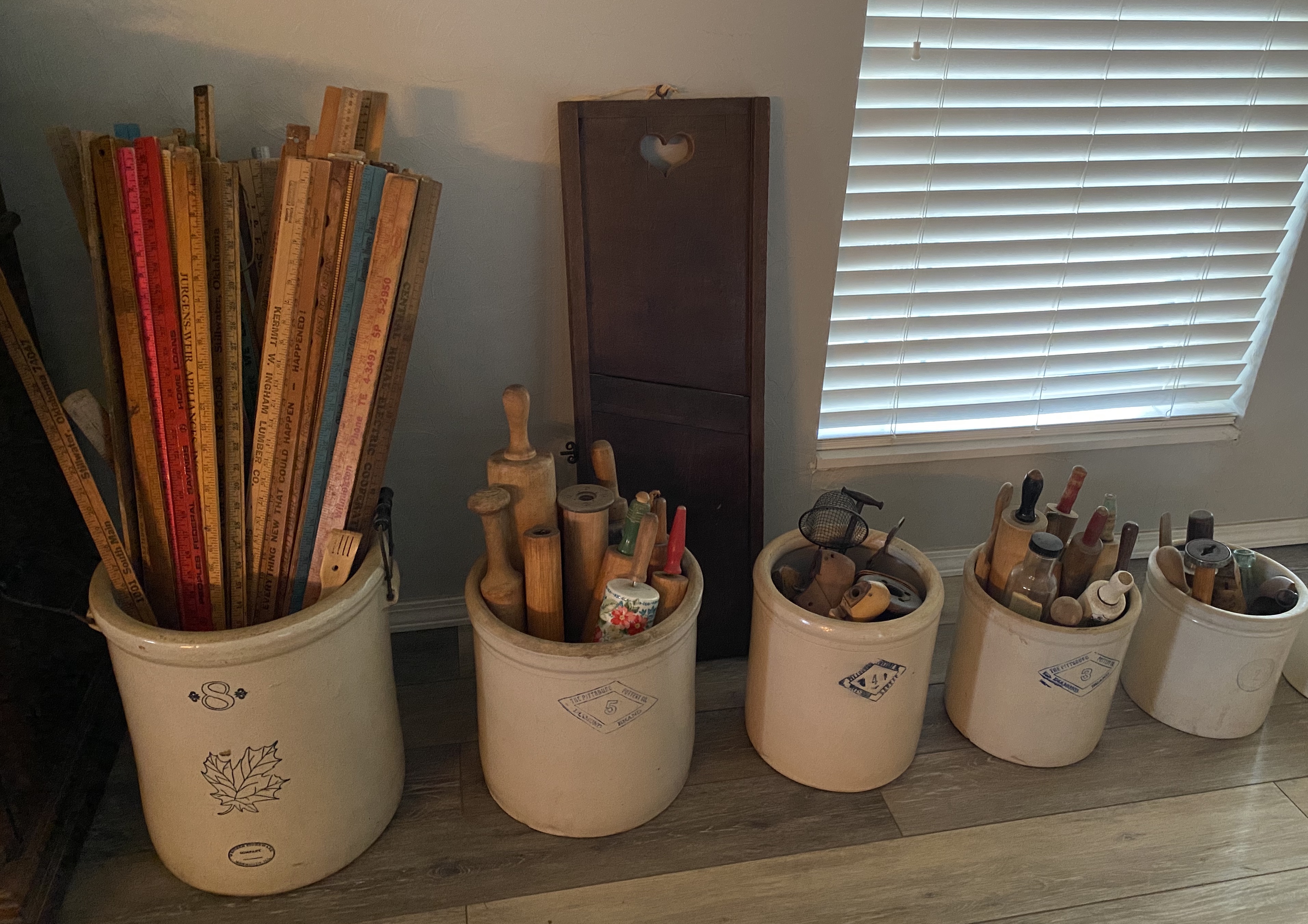
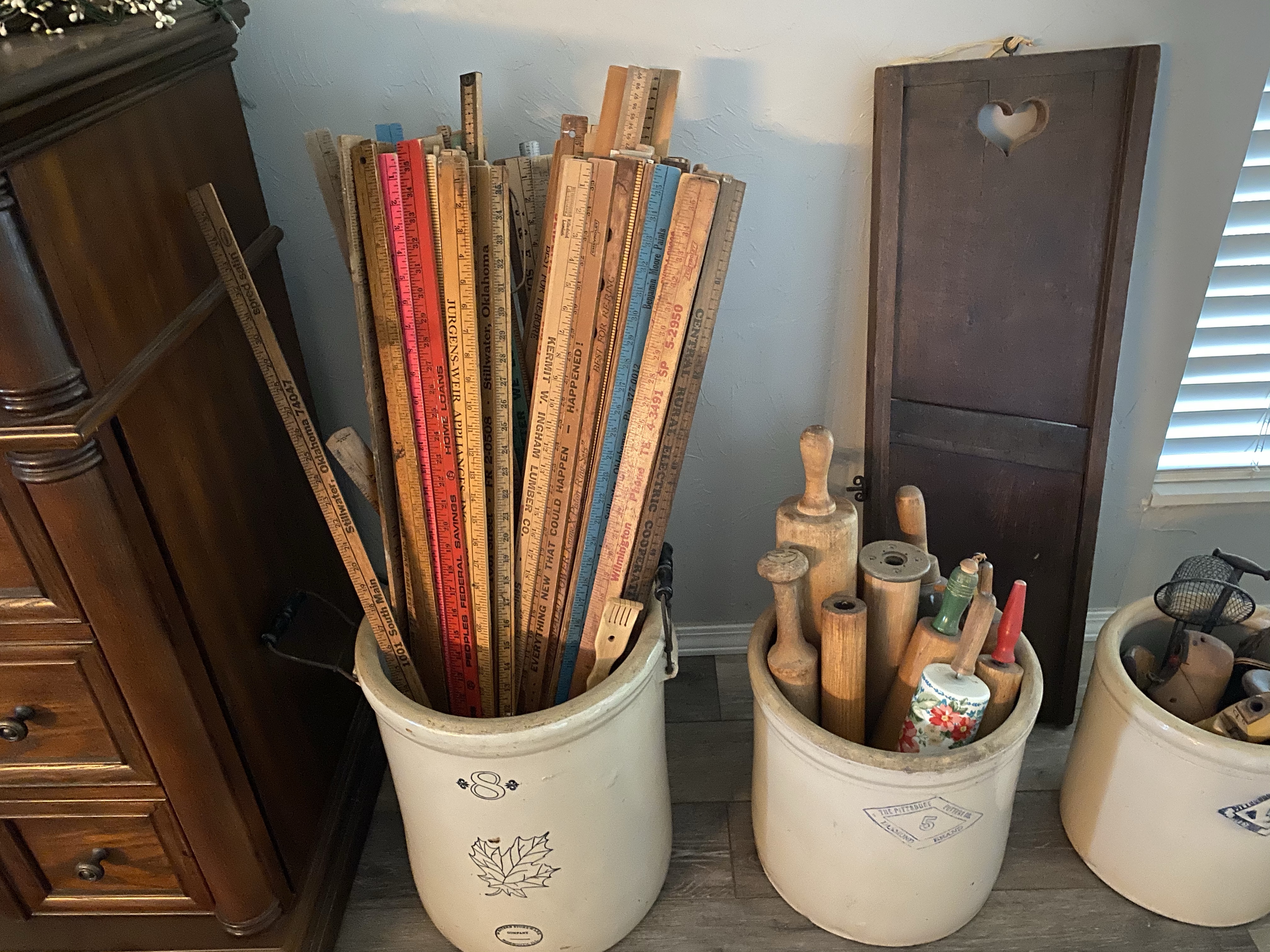
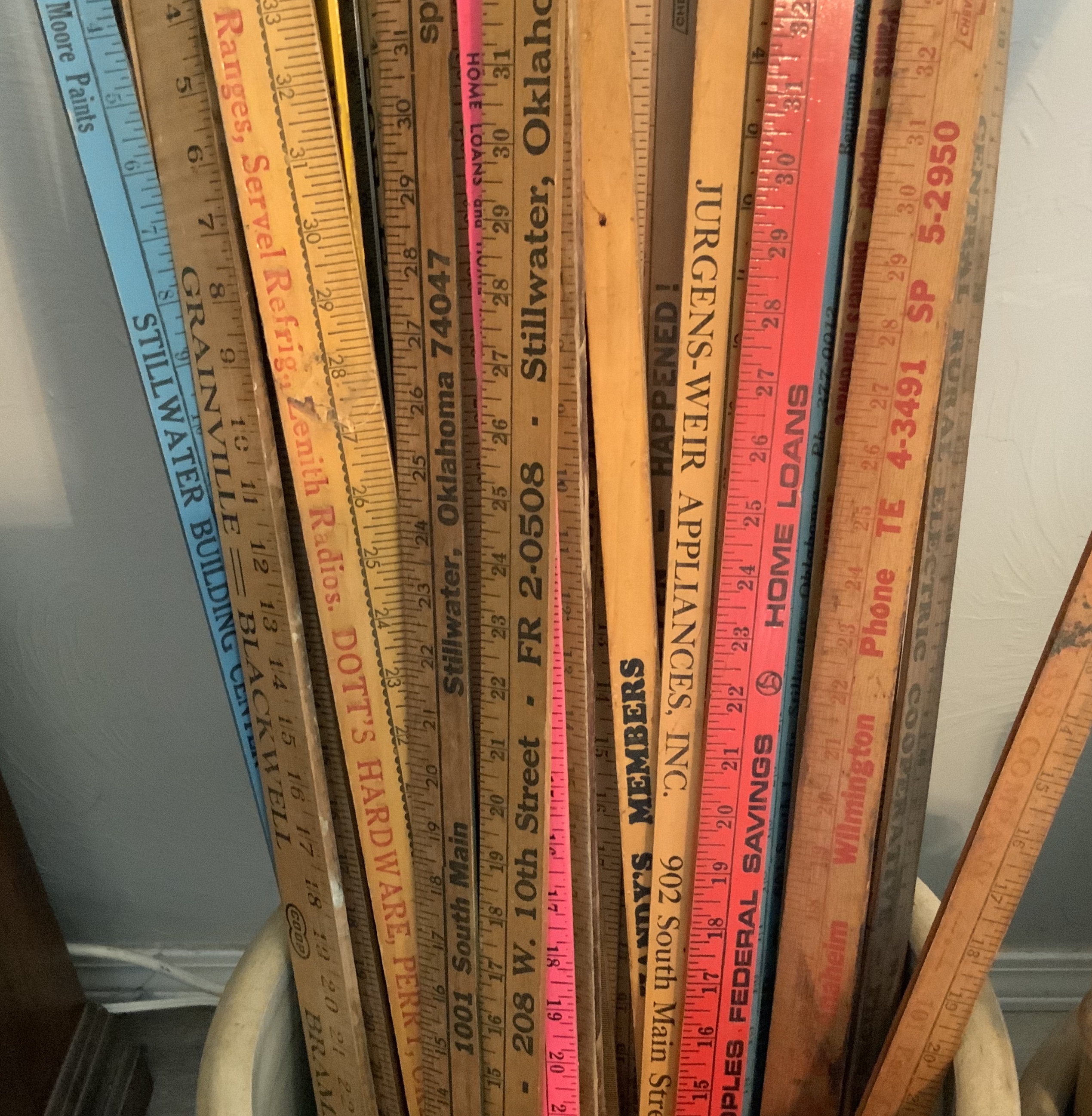
Yardsticks were given away by department stores, hardware stores, the general store, grocery stores, and more. They tell an interesting story of the history of your town or state. I paid no more than $1.00 or $2.00 for each one.

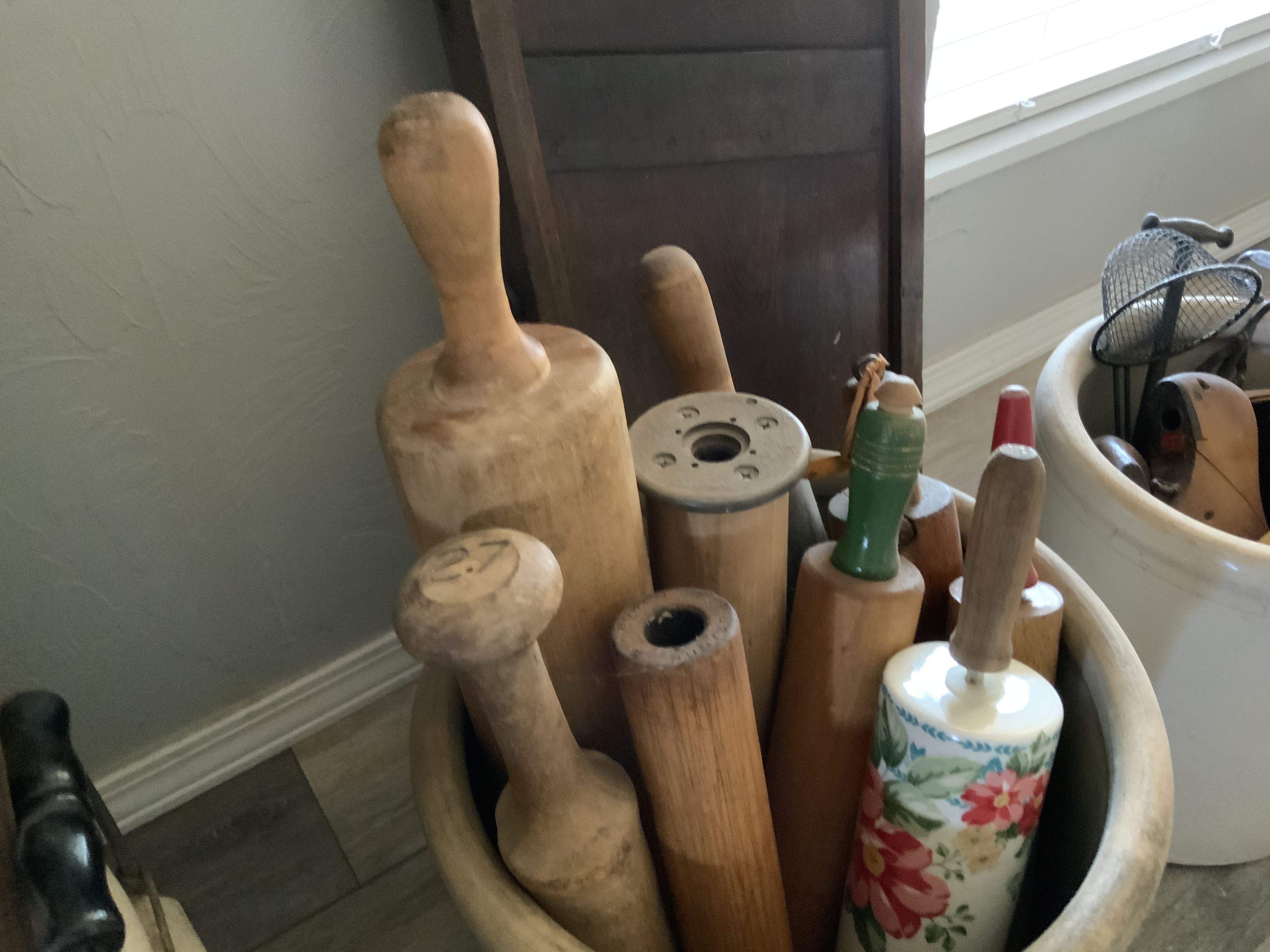
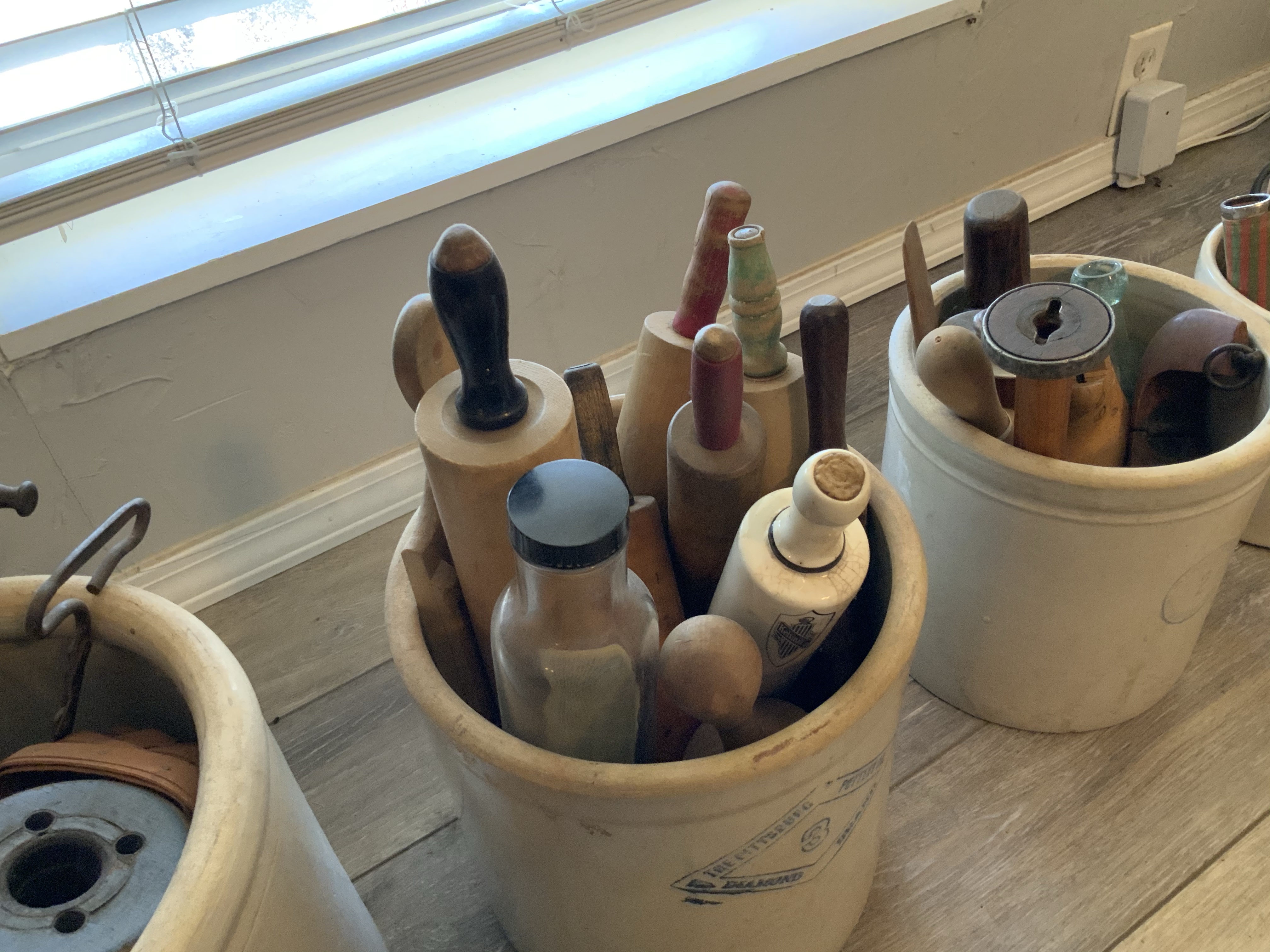
Rolling pins were an important tool for making bread, noodles, pies, etc. For example, my mother-in-law (Cristie’s grandma) had a rolling pin made of a cedar tree that belonged to her grandma. It was used for making many delicious treats and staples for her family. If you look, you can see my Pioneer Woman rolling pin right in front! I love mixing old and new. The large spools were used on industrial sewing machines.

I love seeing the ingenuity and innovative thinking that went in to creating these tools and implements that were used many, many years ago. The biggest crock (in the photo) was used by my grandpa during Prohibition to make beer. This beauty is over 100 years old and is such a family treasure.

You can start your collection at garage sales, auctions, EBAY, thrift stores, antique shops, and more. Start slow with your collection and you’ll be surprised how quickly you get the collecting fever!