Uncategorized

Planning Your Vegetable Garden

February is a great time to start planning your vegetable garden for the year! We plant a garden every year and it is always so much fun and very rewarding. In this post we will show you how we decide what to plant and where we decide to plant them. In a later post we will discuss actually planting and maintaining your garden

We have seven square raised bed plots. We used railroad ties for this project as well. They really are a very versatile material. We had them filled with soil when we first built them and each year we get some form of fertilizer depending on the soils needs. We will till each plot up as the time comes to plant in the area.

The first thing to do is decide what you want to plant. If you are wanting to start some of the seeds indoors you will usually do that in January and into February. This year we are planning on growing a lot of tomatoes and peppers, corn, cucumbers, onions, potatoes, beans, herbs and watermelons in these plots. I will also grow some vegetables in the terraces I posted about last week.

Next thing you will want to do is look into companion planting. There are certain things that grow well together and others that don’t. We will have two plots devoted to tomatoes for canning salsa and marinara. Tomatoes benefit from being planted near herbs such as basil and marigolds. We plant several marigolds throughout the garden because they are excellent at deterring garden pests. Peppers are a companion to tomatoes and have a lot of the same friends and foes; so we will give them their own plot and plant it similar to the tomatoes.

Corn is a foe to tomatoes but loves to be around beans, peas and sunflowers. Sunflowers are also great to have around for some summer bouquets around the house. Corn will get its own plot and you have to have at least a 4×4 plot. We will be planting our beans and cucumbers in with the corn. There will also be a plot for potatoes and a plot for melons. The onions will get spread out around the tomatoes.

These vegetables should be planted anywhere from mid April to early May. We will post again in late March or early April and fill you in on our planting schedule. I hope each of you will get to reap the many benefits of growing your own vegetables!

-Cristie

Uncategorized

Railroad Tie Terraces

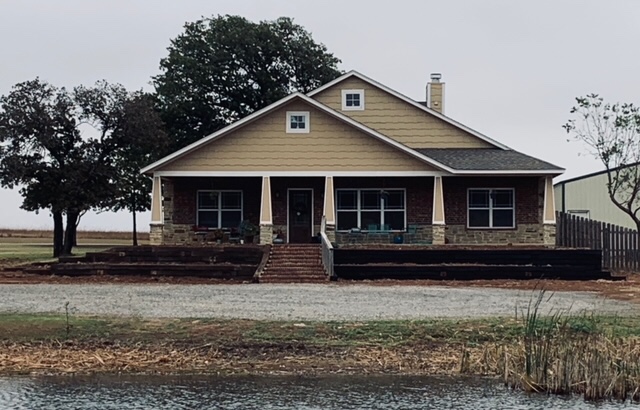
This last fall we were finally ready to build terraces off of the front porch of our house. It was a project we had been planning for years and finally all of the pieces had fallen into place. I had been wanting flower beds to run across the entire length of the house. We accomplished that with this project plus another layer that is just grass. In a later post I will show you the flowers and plants I will be planting to really make the front of our house look put together.

Our dog Jodi doing her part!

These terraces really made a difference when it came to the look of the front of our house. My husband bought a ton of railroad ties to start our project. Next we rented a mini excavator to get the digging done more efficiently. We also had to enlist some help from our dads! It was several long and hot days of hard work but it was worth it when we got the finished product.

Our dad’s working hard!

We wrapped the ties around the house into our back yard to level things out back there! First we used the excavator to dig out the area to lay the railroad ties. Next we laid the ties and drilled holes in them for the rebar to keep them from leaning over time. We continued to stagger the rebar as we stacked until we got to the height we wanted. Finally, we backfilled with the excavator and raked to get the dirt even.

The corner that wrapped around into our back yard.

Once the ties were in place and reinforced we oiled them with motor oil from several oil changes. This makes them look nice and less dull. What I like most is that we were recycling and not using new materials. Below we have the before and after pictures. Unfortunately the after picture was taken on a not so sunny day but I think you can see the difference this project made to the look of our house.

I can’t wait for the spring to fill these terraces with flowers, vegetables and plants. What do you think of our new terraces? Have a great week!

-Cristie

Uncategorized

Collecting 101

My husband and I have been in the business of buying and selling for more than 20 years now. It has been a lot of fun and we’ve met some great people. We deal in antiques and collectibles, and anything else we think we might make money on! We sell at the Stillwater Antique Mall, on EBAY, and at the Big Red Barn. Over time, we have seen many, many intriguing collections!

To me, collecting has very little in common with what is seen on the American Pickers. I do not go up to a strangers house and ask them if I can look around at their stuff; and, sadly, we don’t have someone to set up meetings for us!

I am often asked, how do you start a collection? This might sound ridiculous, but I think collections often start themselves. You might be browsing at a garage sale or flea market and find an item you love! Before you know it’s grown to two, three, four…… Collections can be very specific – a certain brand, or more broad – certain items. I have a good friend I worked with for years who collected frogs. I have another friend who loves to collect Mickey Mouse!

We like to travel through small towns, and check out the local antique stores or flea markets. You can find some real gems in these places. Do not be afraid to ask for a discount. The worst they can tell you is no. The only thing I would caution you is, don’t make your discount offer too low. As a seller, I’m generally open to a 10 – 20 percent discount.

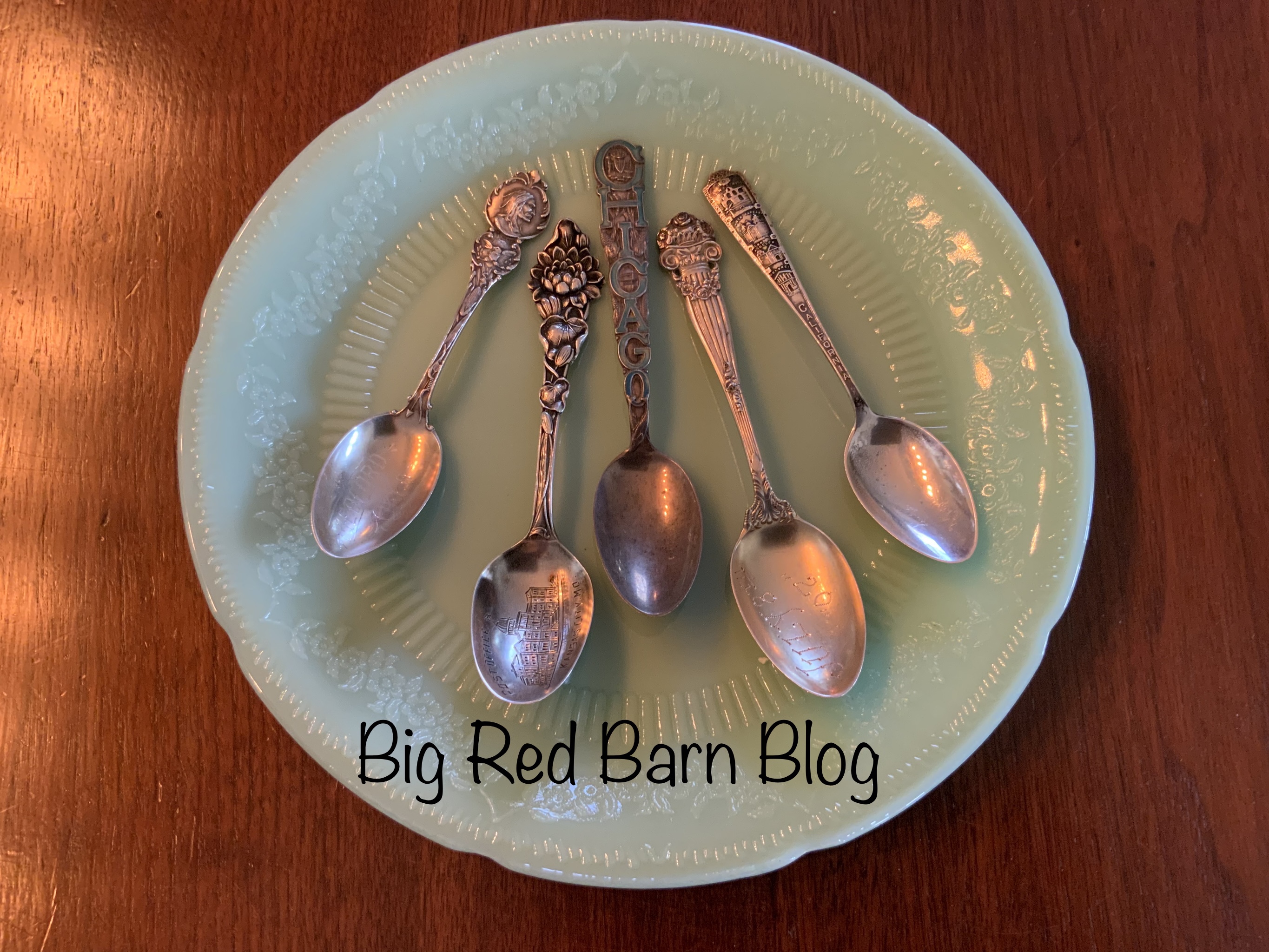
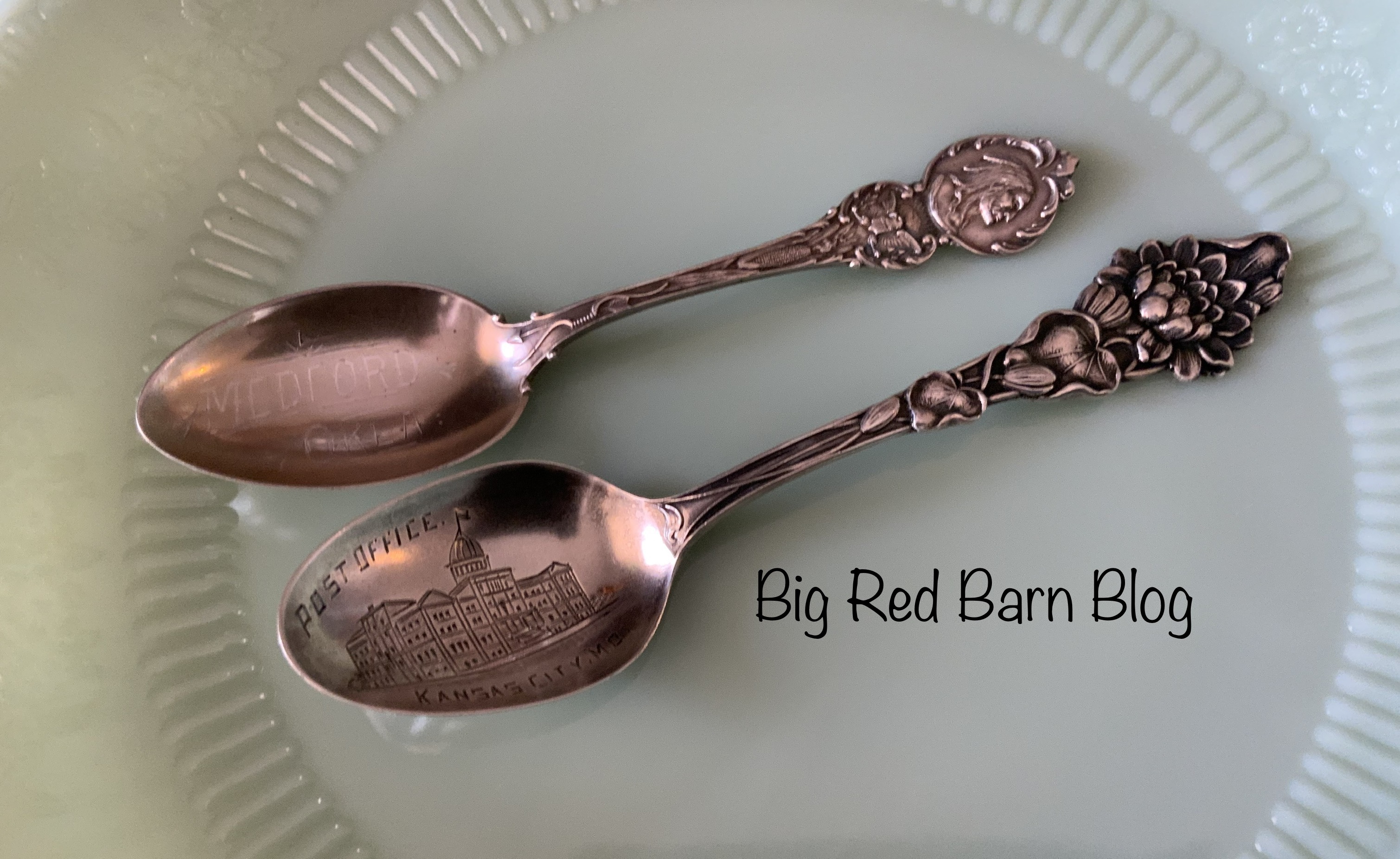
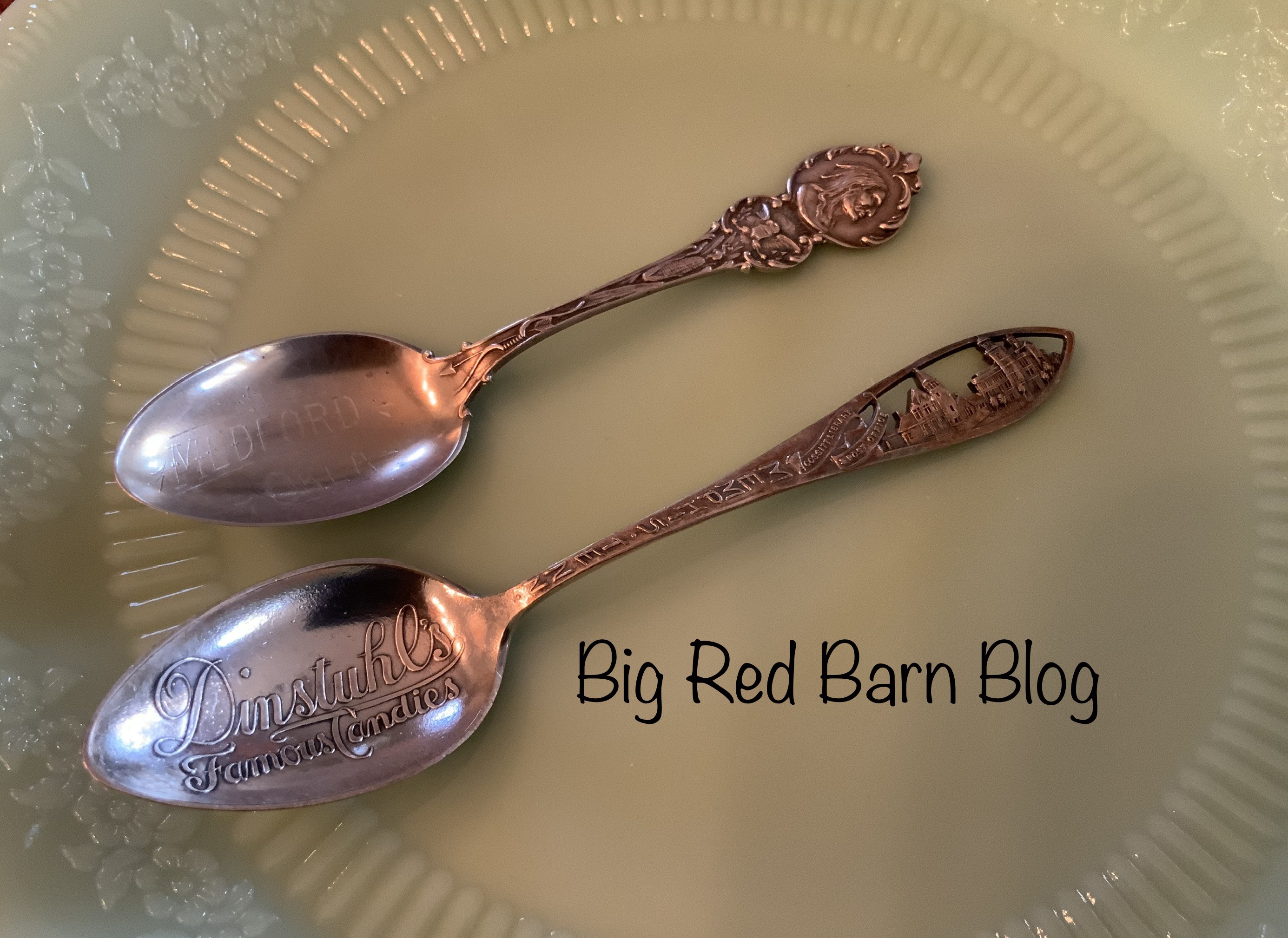
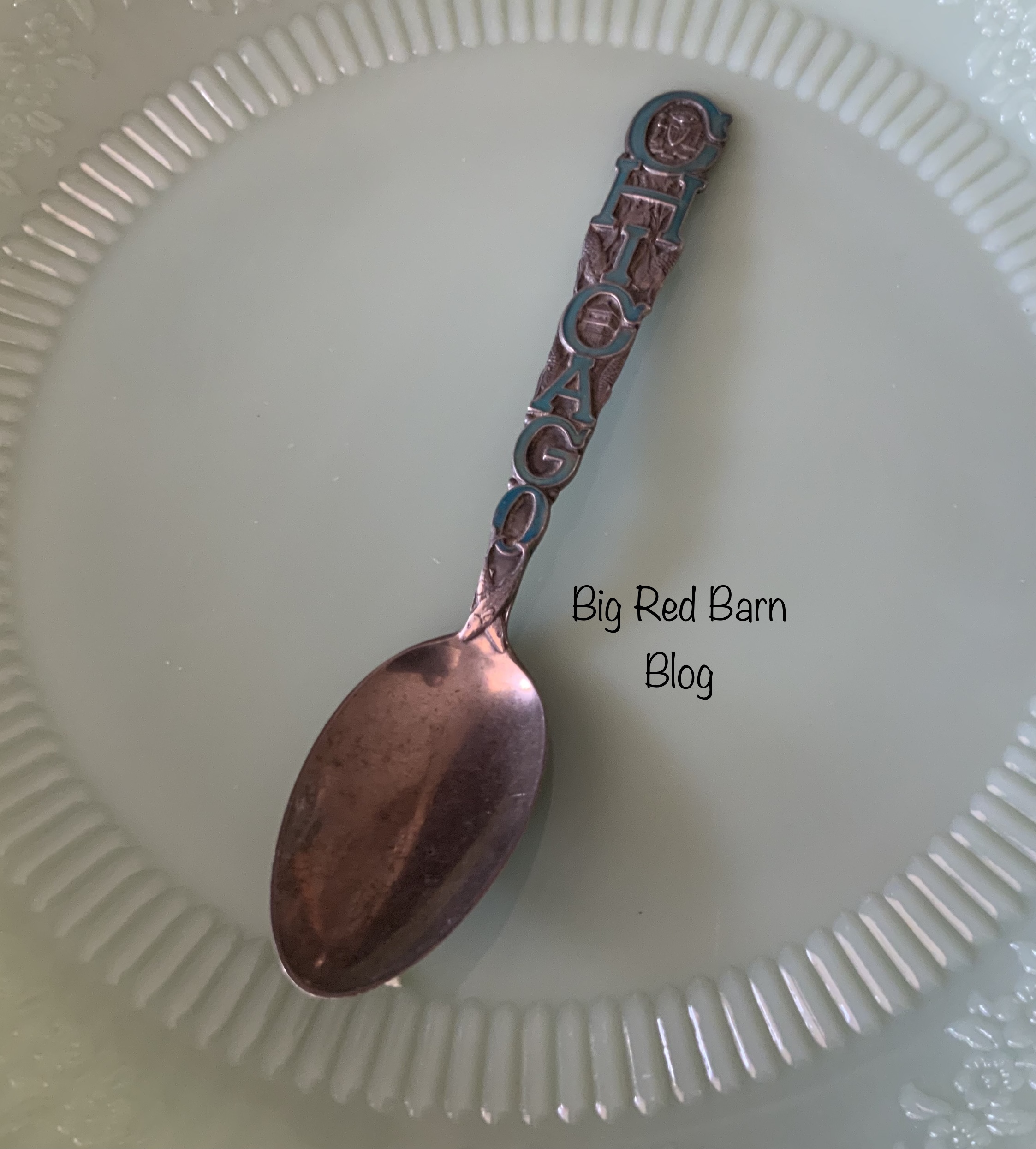
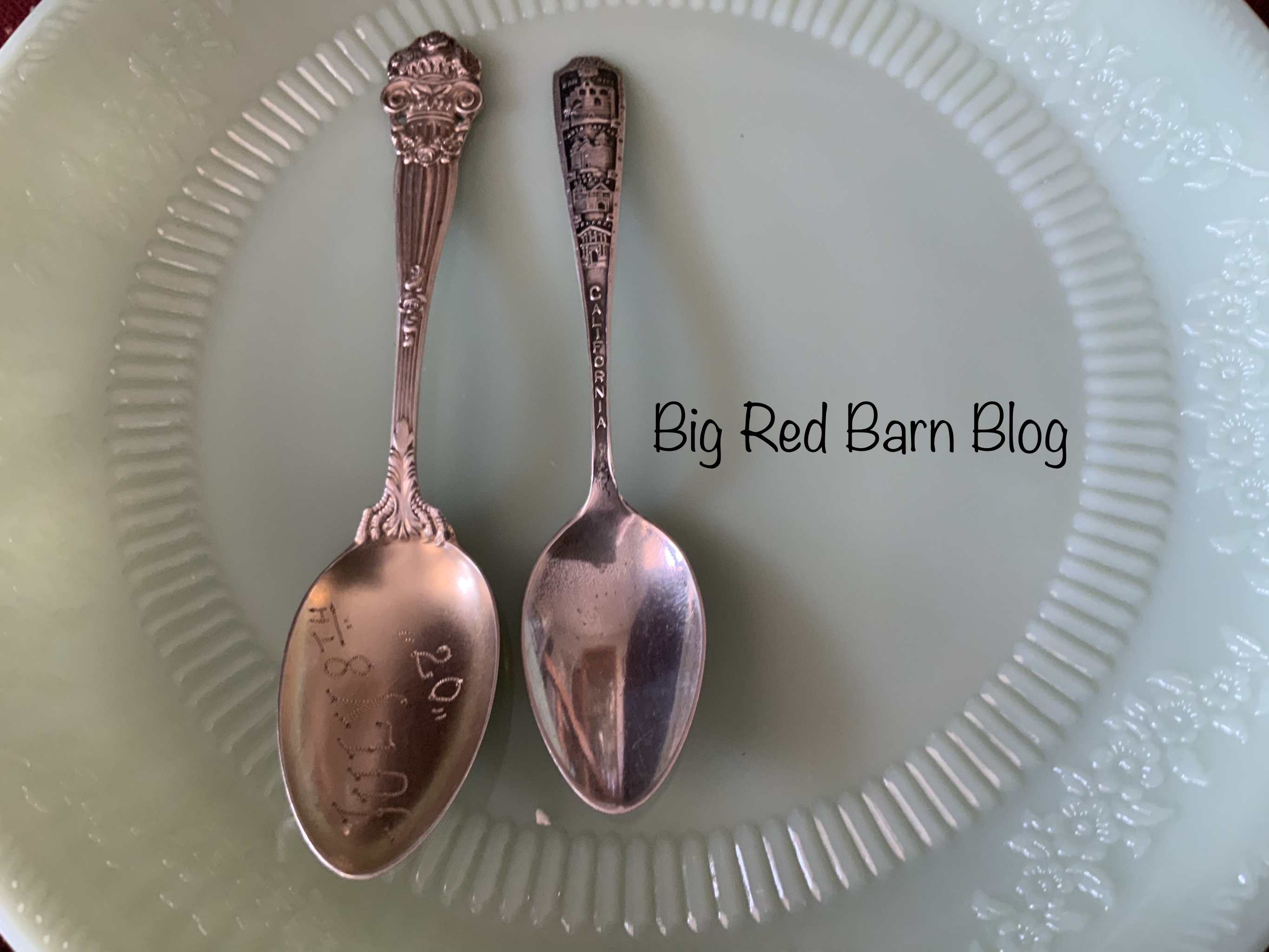
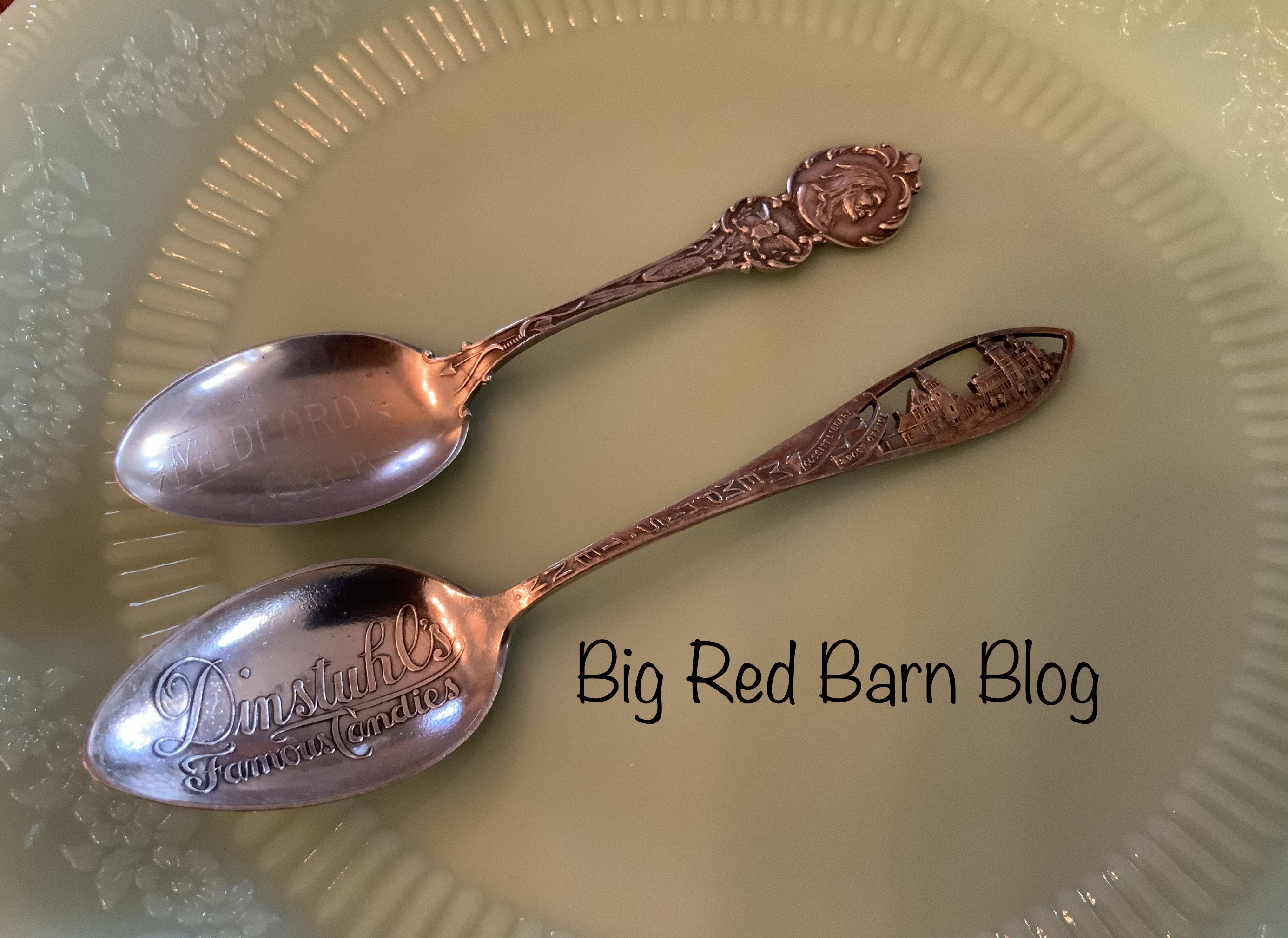
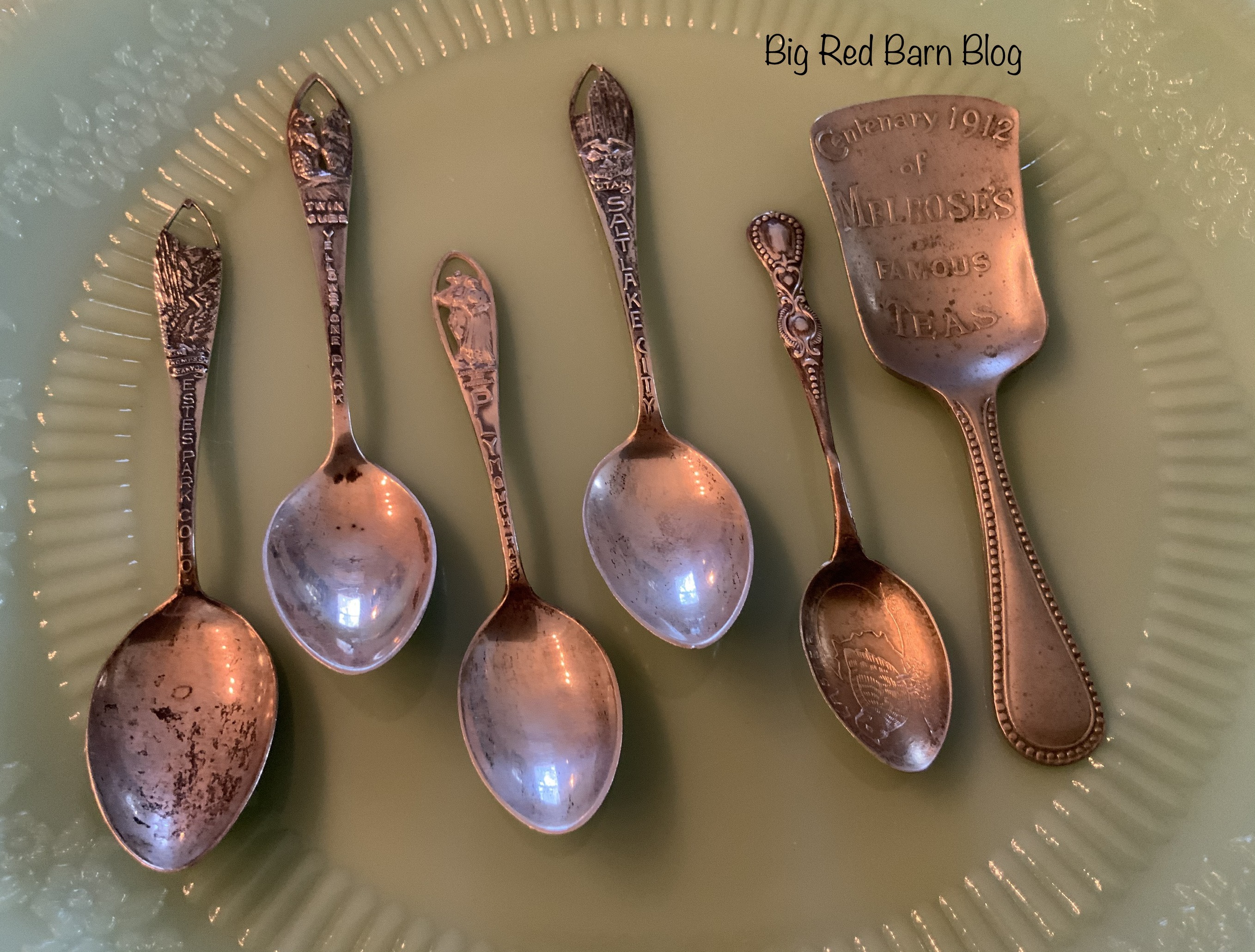
One item I collect is spoons. I LOVE old collector spoons. I am not what you would call a “pure” collector. If I find a spoon I like, it gets added to the collection. But, my favorites are turn of the century (early 1900s) collector spoons. To me, they are a work of art and are heavily influenced by Victorian Era art. They have beautiful designs, some are very colorful, and each one tells a story. They are also small, don’t take up much space, and you can find them rather inexpensively.

Happy collecting! Jackie

Crafting

Shower Soothers

Cold weather is officially here in Oklahoma. I don’t know about you but my sinuses take a beating in the winter. This last week was pretty miserable for me as I had a horrible sinus infection complete with fluid behind my ears and a terrible headache. My doctor prescribed me some antibiotics and Sudafed which helped but I still had the headache due to the medication. That’s when I decided to make a batch of shower soothers.

Shower soothers are perfect for anyone who suffers from allergies or comes down with a cold. I get pretty bad allergies all year round so I try to keep these in stock. Anytime I wake up with a headache or congestion I just pop one of these on the shower floor and I get instant relief. They’re very easy to make and simple to use. Below I share the recipe which makes about twenty soothers with the size of mold I used.

Shower Soothers

Ingredients:

  • 1 cup baking soda
  • 1/2 cup citric acid
  • 1/2 cup cornstarch
  • 3 Tbs coconut oil
  • 1 Tbs Vapor Rub
  • 15 drops lemongrass essential oil
  • 15 drops eucalyptus essential oil
  • Silicone mold

Combine the baking soda, citric acid and cornstarch in a bowl. In a separate bowl microwave the coconut oil for 1 minute. Add essential oils to the coconut oil. Mix the coconut oil and essential oils into the dry ingredients. Add Vapor Rub and stir until we’ll incorporated. Spoon the mixture into the molds. Spoon and then press the mixture into the molds until firm. Let the molds dry overnight. Pop them out and store in an airtight container.

When you are ready to use just place one soother on the floor of your shower under warm running water. Take a few deep breaths and feel the soother going to work on clearing any congestion!

I hope you enjoy these shower soothers as much as I do. Have a great week and check out our post next Monday!

-Cristie